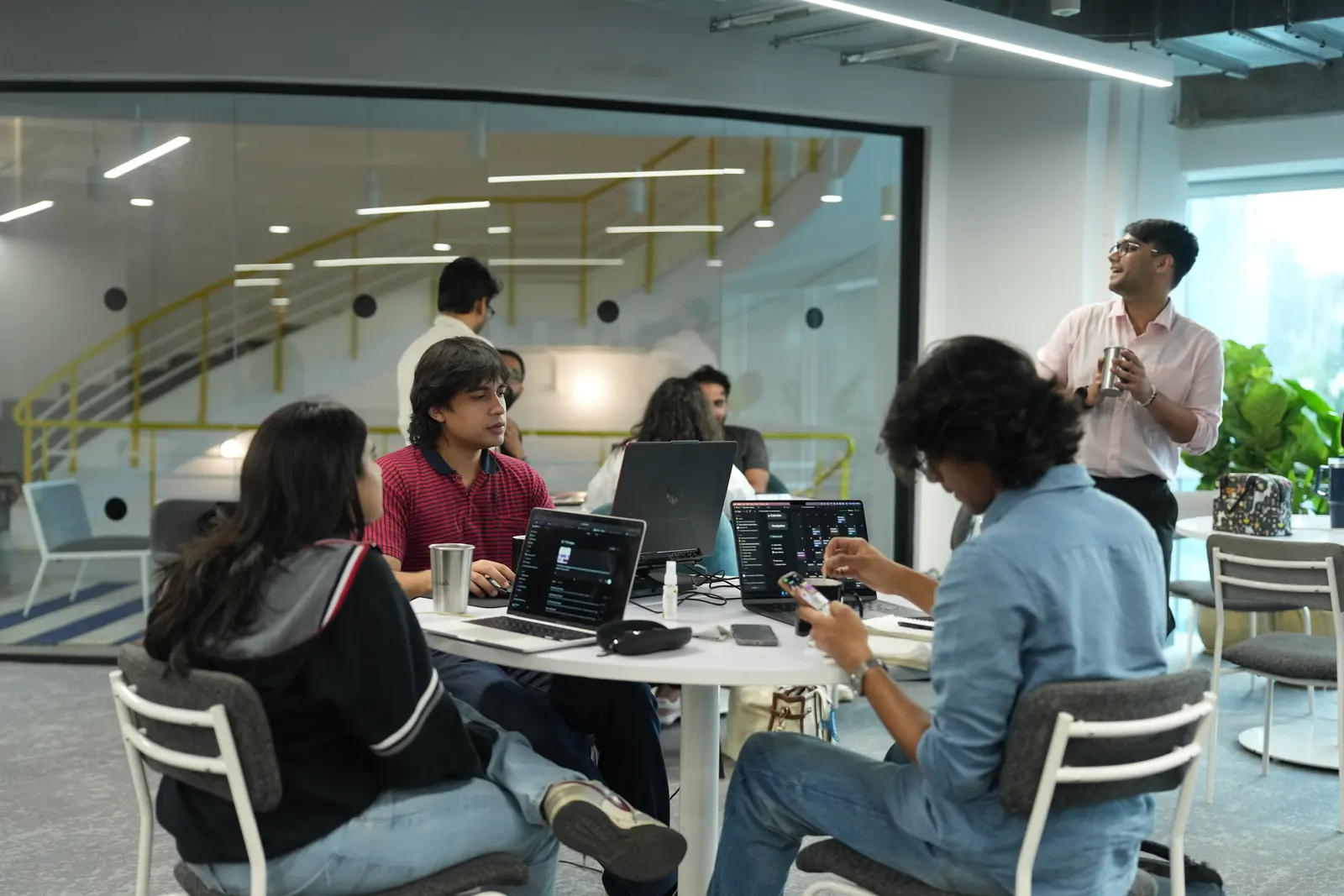
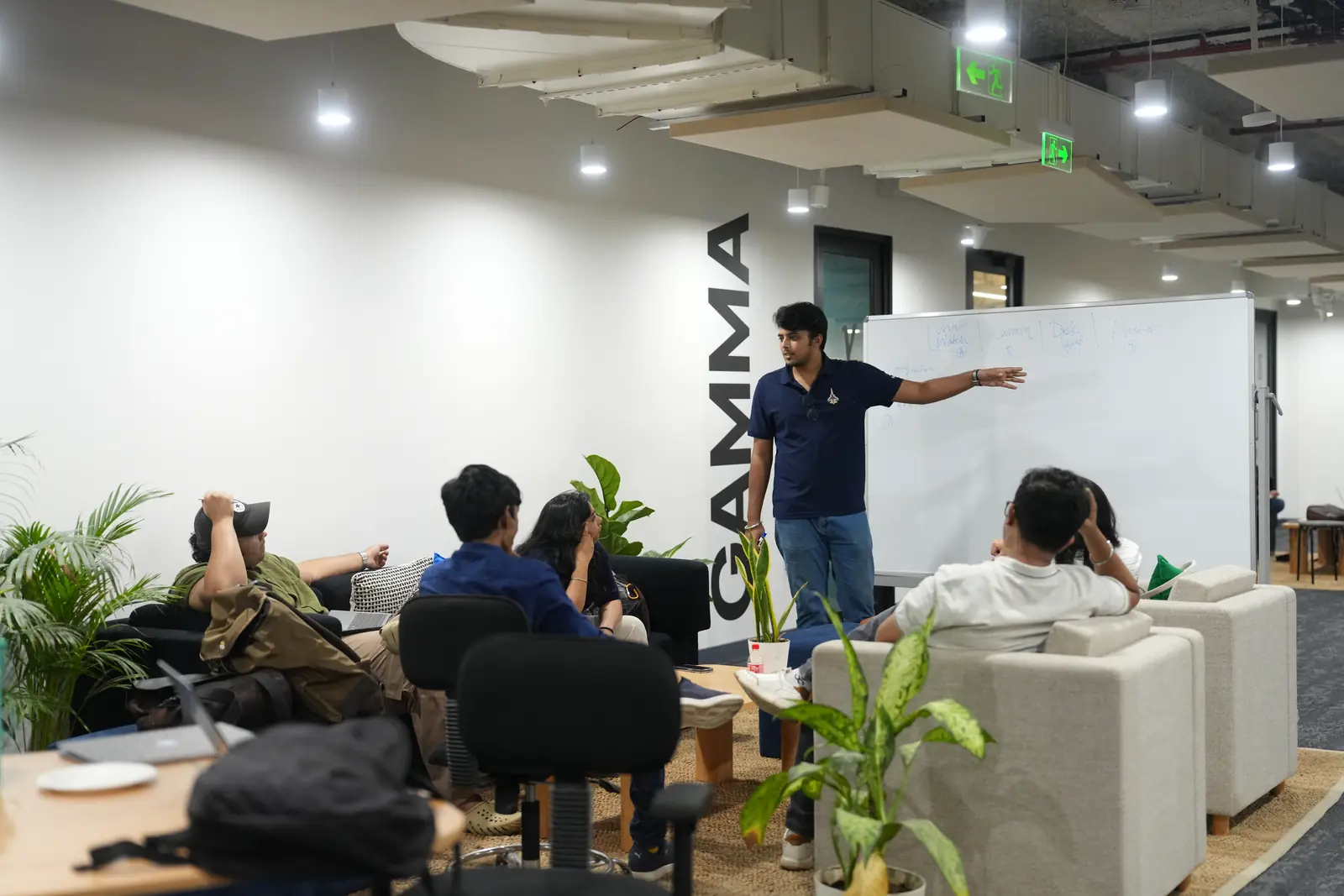
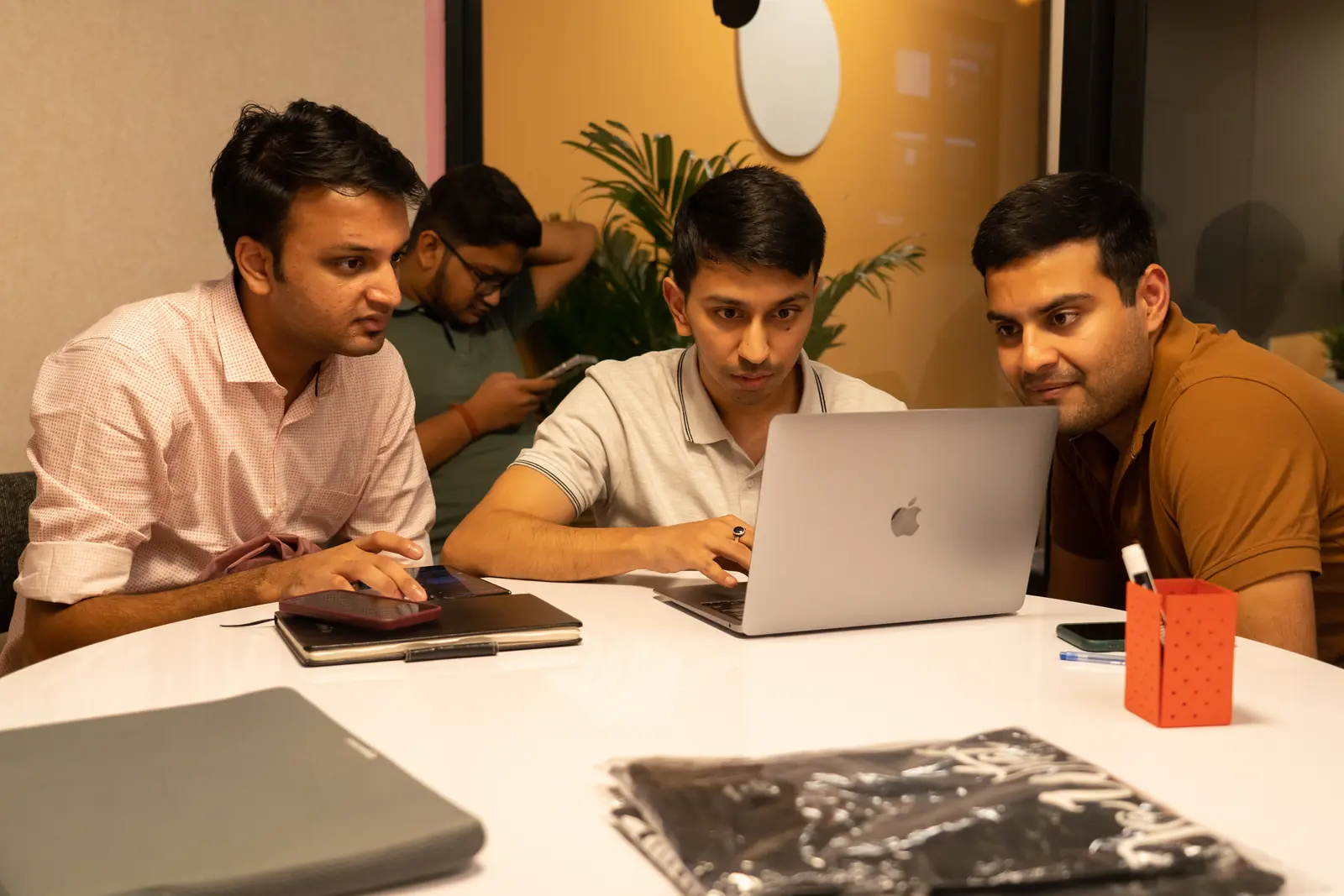
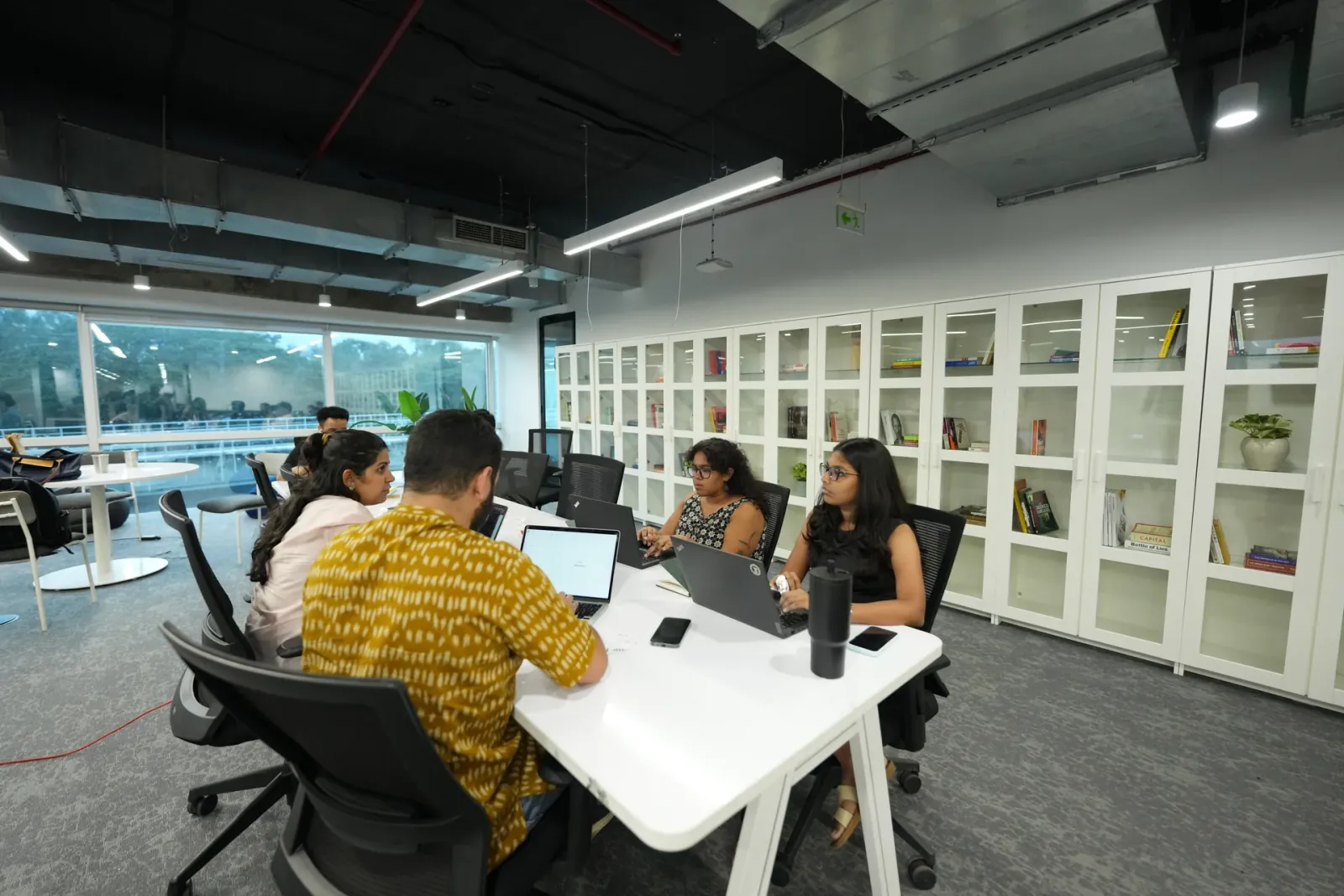
PGPx: AI Systems & Business — for working software engineers

This is the decade of the software engineer.

AI is making code faster and cheaper to produce. The engineers who win the next decade will know how to find the right problem, understand the customer, build fast — and take products to users and revenue. An 8-month, part-time builder program for software engineers who want to move from coding what they are asked to build to deciding what should be built.

8 months
Part-time
15 live weekends
6 Bengaluru hackathons
2-month product sprint
Builder-led Learn by building AI × Product × Business
Built with guidance from
Harvard University and Kellogg School of Management
Supported by operators from
emergent, Temple and Razorpay
Backed by
Elevation Capital
Program pillars

Five things that define your builder journey.

This is not a content-heavy AI course. It is a builder program for software engineers who want to own more than code.

15Live weekends: product thinking, customer discovery, AI workflows, distribution and sales — always tied to something you are building.
6Campus hackathons in Bengaluru: high-intensity build sprints where you solve real problems, ship fast and learn with peers.
50+Customer conversations: talk to users, test assumptions, validate pain points, learn to build from the problem backwards.
1Product built from zero: use the final product sprint to choose a problem, build an MVP, launch it and iterate in the real world.
20+VCs at Demo Day: present your product, your customer evidence and your traction to investors, founders and operators.
Who is PGPx for?

You already know how to build. Now learn to own what gets built.

Built for working engineers who want to move beyond technical execution into product, customer and business ownership — without stepping away from their careers.

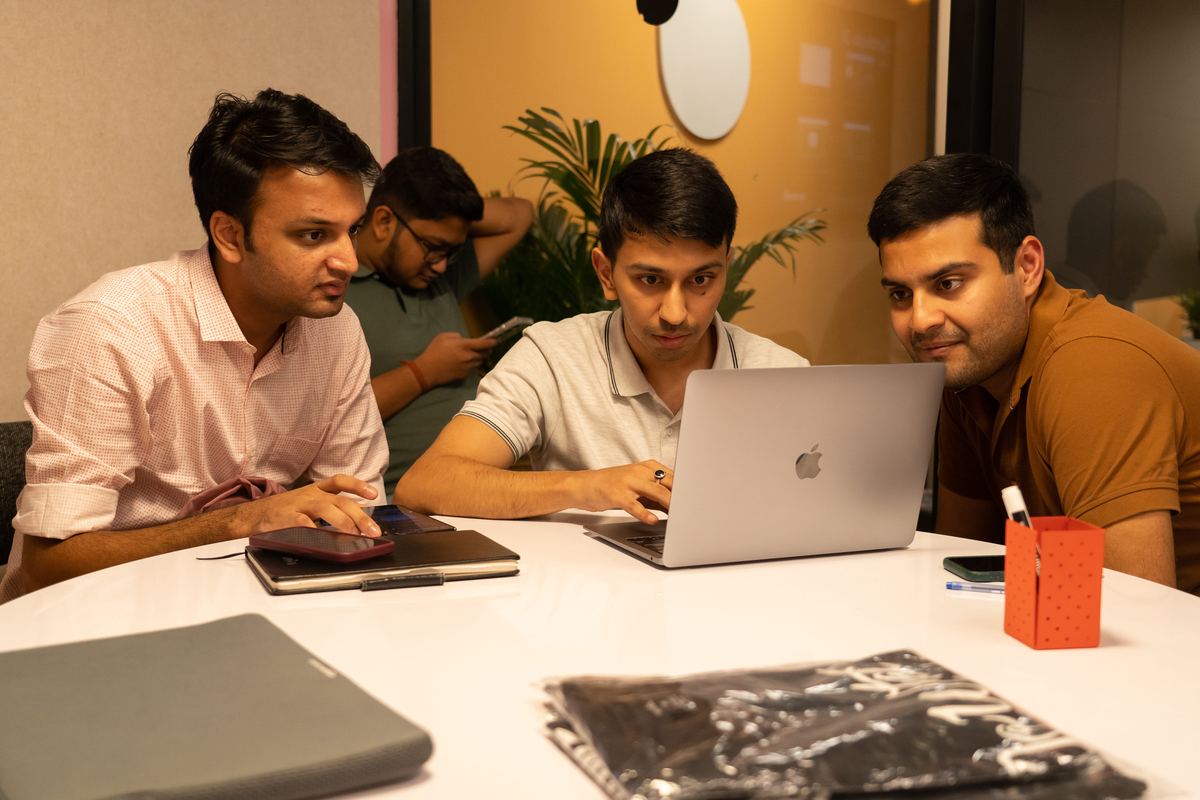
Software and full-stack engineers collaborating
01

Software & Full-Stack Engineers

Move from tickets to problems.

You know how to ship. Now learn to understand customers, shape the product and decide what deserves to be built.

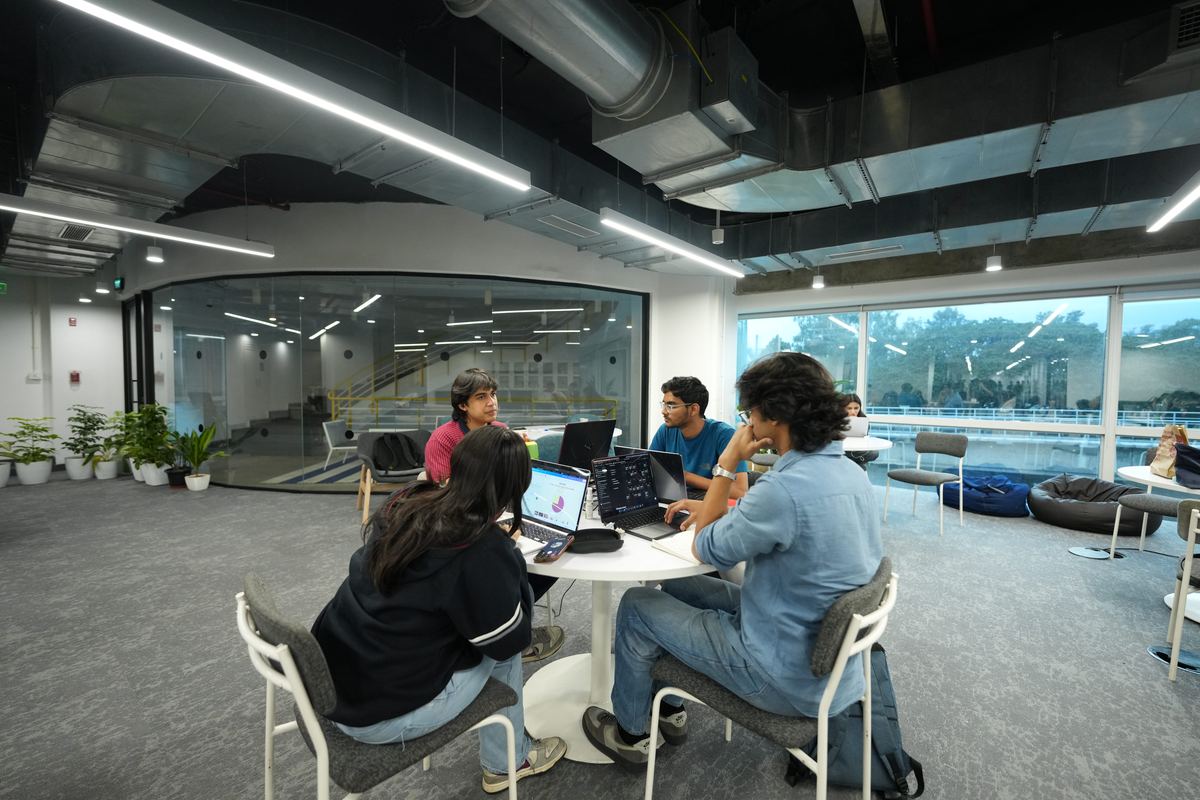
Backend, cloud and platform engineers working
02

Backend, Cloud & Platform Engineers

Take your systems thinking closer to the business.

Turn technical depth into stronger solutioning, product judgment and ownership of larger problems.

Data, AI and ML engineers reviewing dashboards
03

Data, AI & ML Engineers

Move from models to products people use.

Build customer discovery, MVP thinking, analytics, distribution and commercial judgment around your technical skills.

Solutions and high-agency technical builders in discussion
04

Solutions & High-Agency Technical Builders

Go from implementing solutions to creating them.

For solutions engineers, technical consultants and engineers who want to build products — or companies — from zero.

The builder experience

Six times, we throw you into the deep end.

You won't learn product, customers and sales through slides. You'll learn them while trying to build something real — for people who can ignore it, reject it or pay for it.

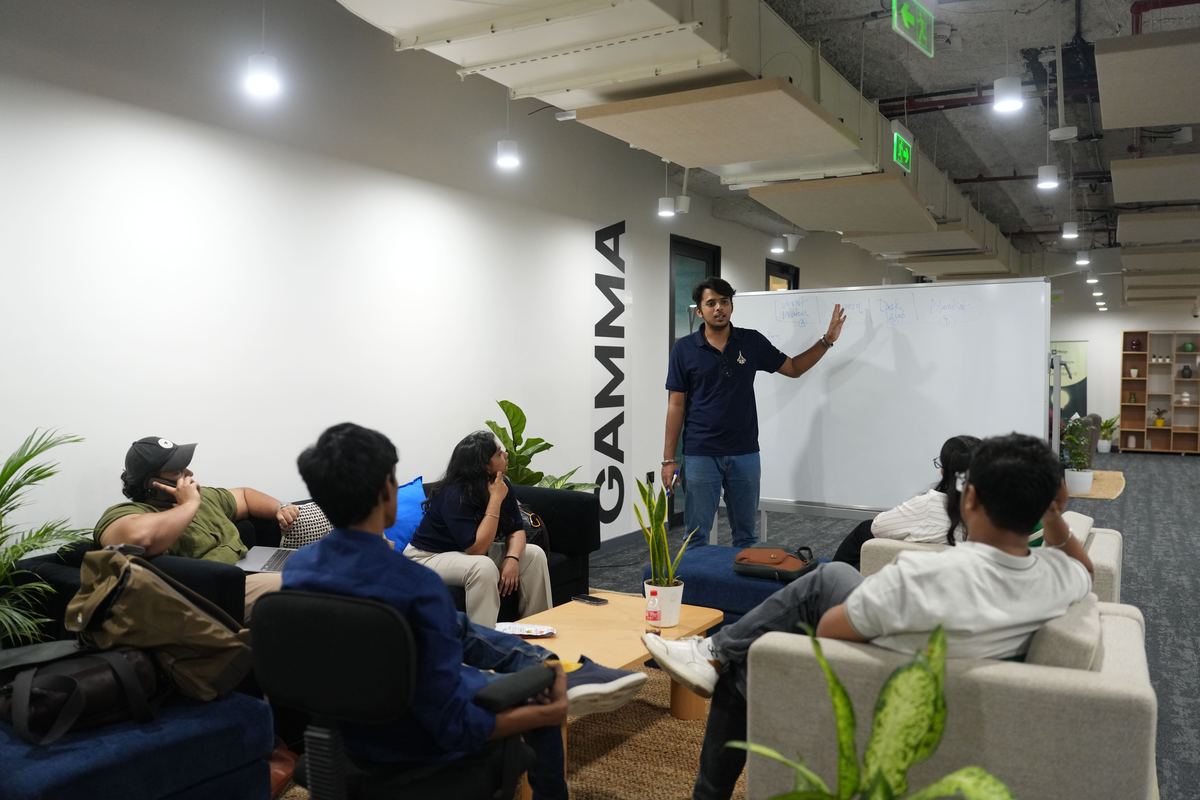
Team whiteboarding to find a problem worth solving
STEP 01

Find a Problem Worth Solving

Start with ambiguity. Talk to people. Break the problem down. Decide what is actually worth building.

"Nobody gives you the PRD."
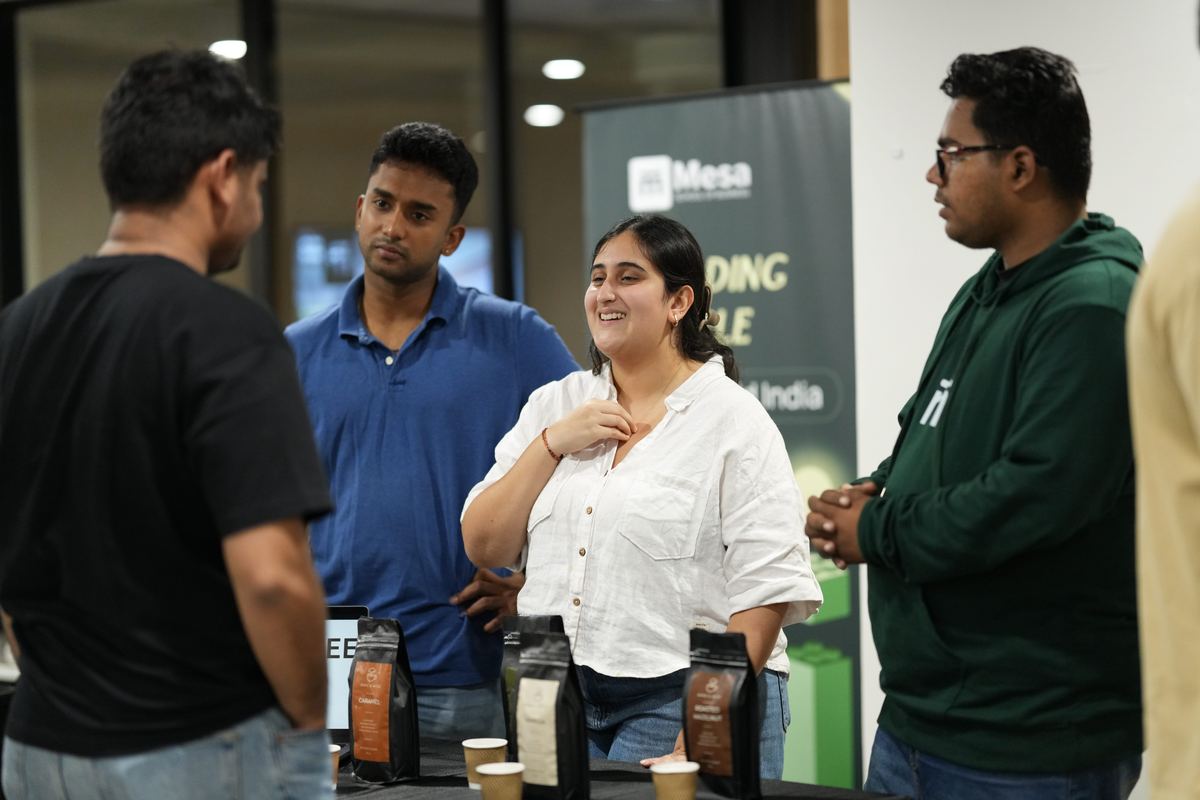
Talking to customers over a product tasting table
STEP 02

Get Customers to Care

Talk to users, test the pain and learn whether anyone actually wants the thing you're about to build.

"Your opinion doesn't count. Their behaviour does."
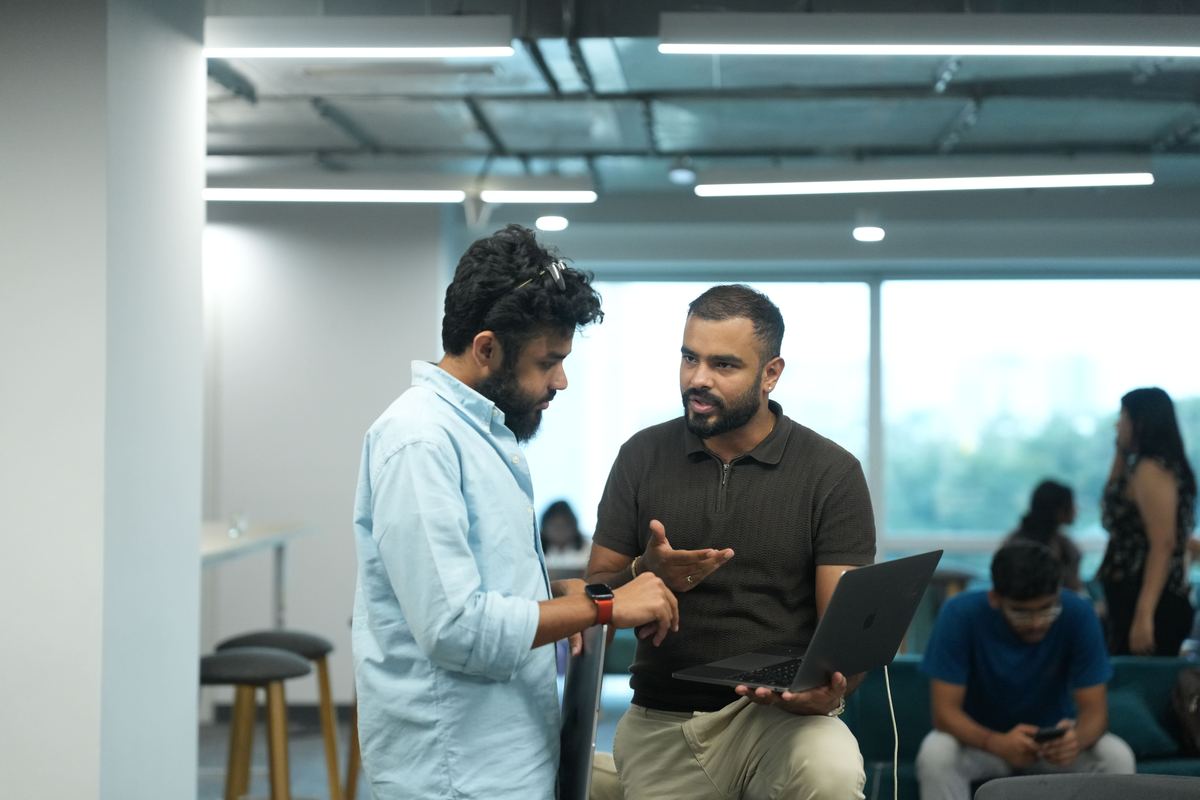
Two builders deciding fast, laptop in hand
STEP 03

Ship Before You Feel Ready

Scope ruthlessly, use AI as leverage and get the MVP into real hands.

"Turn an insight into a working product — fast."
Team reviewing dashboards to watch what happens
STEP 04

Watch What Happens

Track behaviour, adoption and drop-offs. Let evidence — not ego — decide the next version.

"Users will destroy your assumptions. Good."
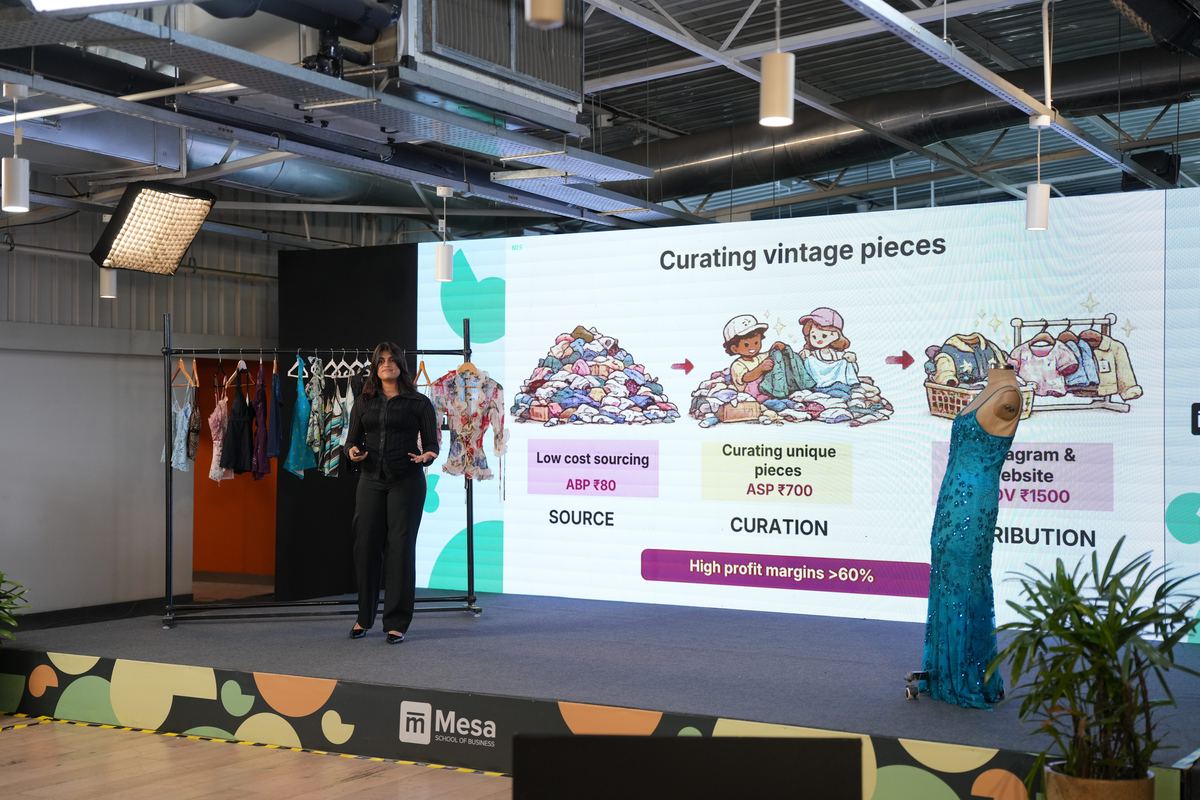
Founder pitching on stage at Demo Day
STEP 05

Make Someone Pay

Find users. Create demand. Demo. Handle objections. Sell.

"Shipping is not the finish line."
Builders heads-down building their company-grade product
STEP 06

Build Your Own Company-Grade Product

Go from zero → customers → product → users → traction → Demo Day.

"Two months. Your problem. Your product. Your shot."
Find it.· Build it.· Launch it.· Sell it.· Get rejected.· Fix it.· Do it again.
Who backs it

Supporters and investors.

6 named, and 50+ startup founders
Kunal Shah
CRED

Kunal Shah

Cred Founder

Advisor · Sequoia Capital · Advisor AngelList · Avid Angel Investor

Vidit Aatrey
Meesho

Vidit Aatrey

Meesho Founder

IIT Delhi · Ex-InMobi

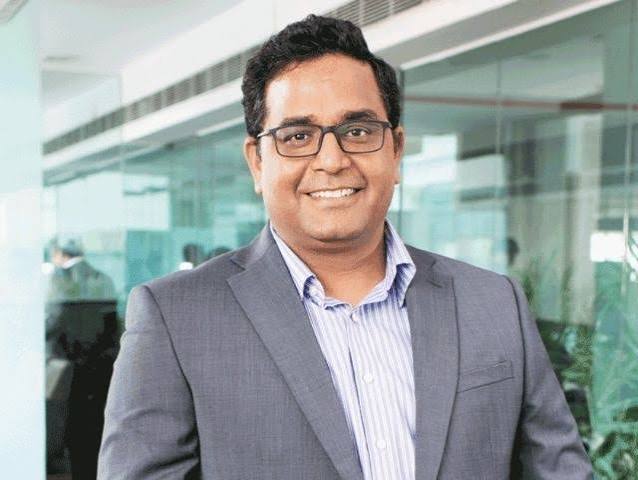
Vijay Shekhar
Paytm

Vijay Shekhar

Paytm Founder

Delhi College of Engineering · Avid Angel Investor

Mekin M
Udhyam

Mekin M

Udhyam Founder

Ex-Flipkart · Avid Angel Investor

Abhiraj Bhal
Urban Company

Abhiraj Bhal

Urban Company Founder

IIM Ahmedabad · IIT Kanpur

Varun Khaitan
Urban Company

Varun Khaitan

Urban Company Founder

IIT Kanpur · Ex-BCG

...and 50+ startup founders

Program details

PGP in AI Systems & Business.

12 months Full-Time, Residential Aug 2027 intake Bangalore
1

New-age academics

Learn new-age skills like growth, product, AI agents and venture capital from world-renowned experts, unicorn founders, VCs and professors from top universities.

2

Learn directly from Founders

100+ startup founders visit the campus and teach you during your 12 months. Ask questions, network and stand a chance to get follow-up meetings.

3

AI & product focus

Learn 25+ AI tools, get mentored by top AI product managers, and build 3 real AI products — launch on Product Hunt and get 100 loyal customers in 3–4 weeks.

4

In-house Incubator

Get access to a ₹5 Cr in-house fund, mentorship from 100+ startup founders, and an opportunity to pitch to 50+ of India's largest VCs.

5

Learn sales by doing sales

Do ₹1L in sales during your first 4 weeks at Mesa — flea stalls, tele-calling and door-to-door sales to understand the art firsthand.

6

Structured career prep

250+ hours of focused career prep based on ambition, past work experience, interests and abilities — behind an average 25L+ CTC outcome.

Note: these six pillars describe Mesa's flagship PG curriculum and are shared across PG program pages — see the AI-specific curriculum below for what's unique to this track.

Strong alumni base

Alumni raising capital, leading teams.

Entrepreneurs who have raised capital, and leaders working directly with founders in fast-growing startups.

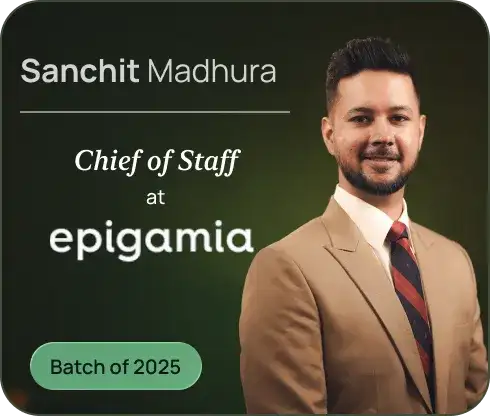
Sanchit Madhura — Chief of Staff at Epigamia, Batch of 2025
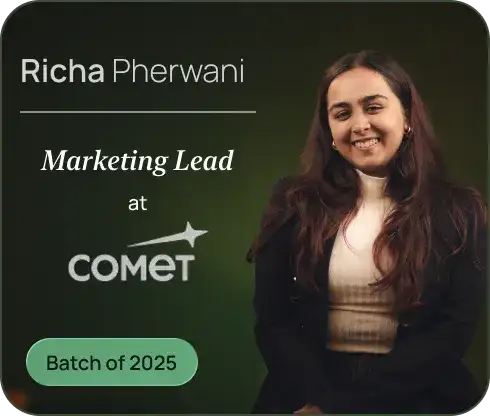
Richa Pherwani — Marketing Lead at Comet, Batch of 2025
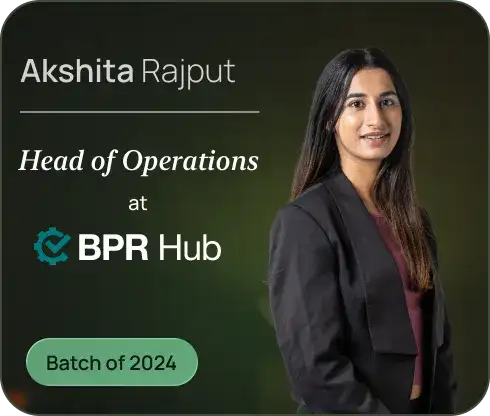
Akshita Rajput — Head of Operations at BPR Hub, Batch of 2024
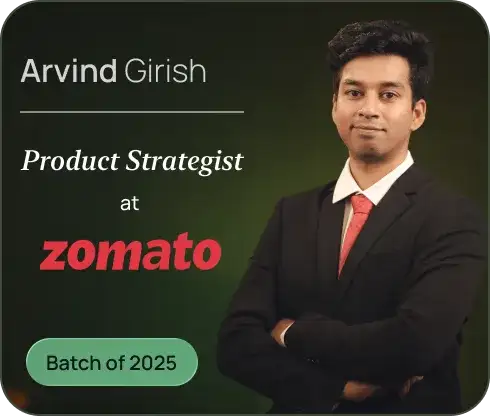
Arvind Girish — Product Strategist at Zomato, Batch of 2025
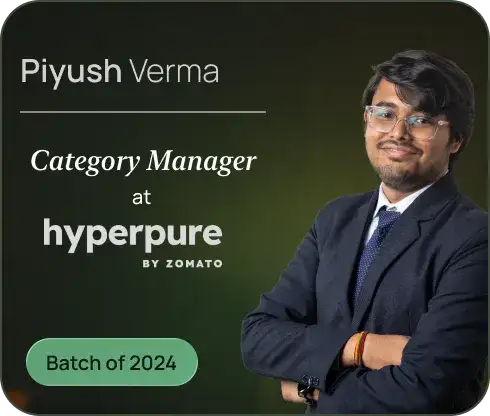
Piyush Verma — Category Manager at Hyperpure by Zomato, Batch of 2024
Adarsh Iyer — Founder’s Office at Culture, Batch of 2025
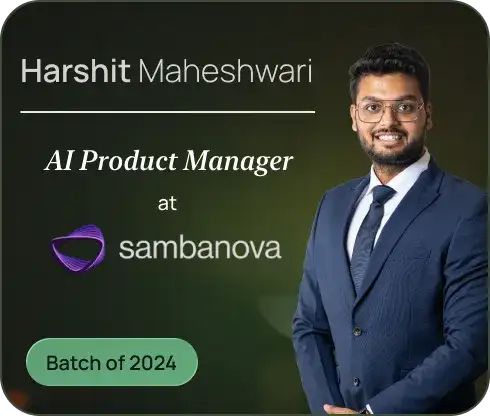
Harshit Maheshwari — AI Product Manager at SambaNova, Batch of 2024
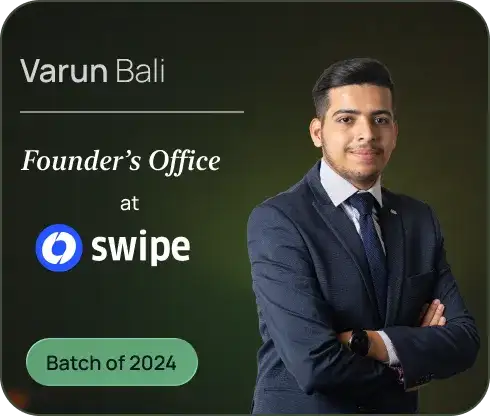
Varun Bali — Founder’s Office at Swipe, Batch of 2024
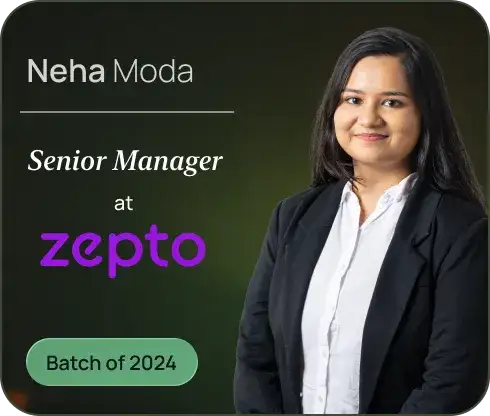
Neha Moda — Senior Manager at Zepto, Batch of 2024
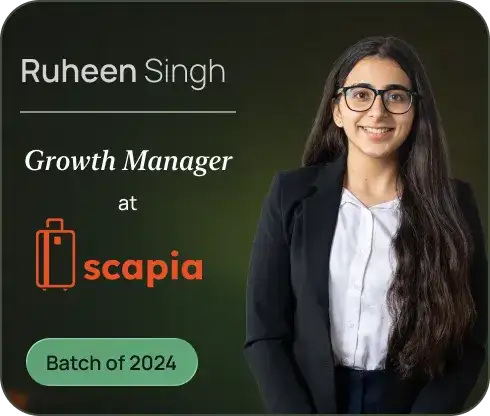
Ruheen Singh — Growth Manager at Scapia, Batch of 2024
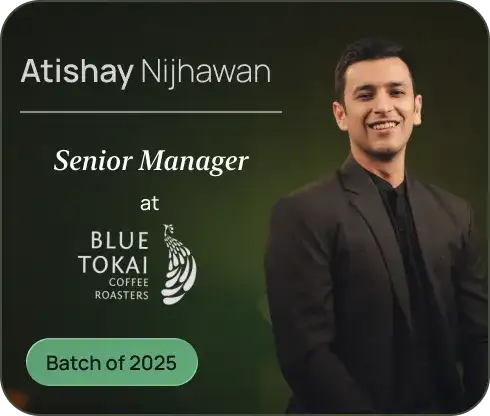
Atishay Nijhawan — Senior Manager at Blue Tokai Coffee Roasters, Batch of 2025
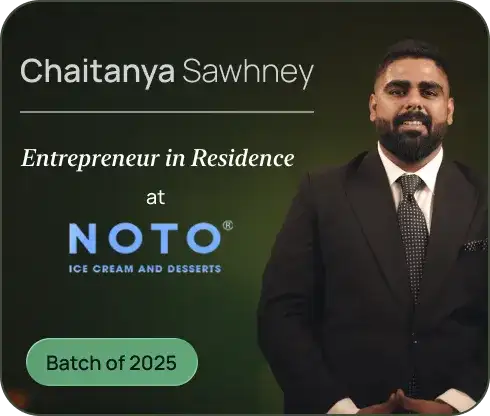
Chaitanya Sawhney — Entrepreneur in Residence at NOTO Ice Cream and Desserts, Batch of 2025
Himanshu Ajmera — Head of International Partnerships at Wayground, Batch of 2024
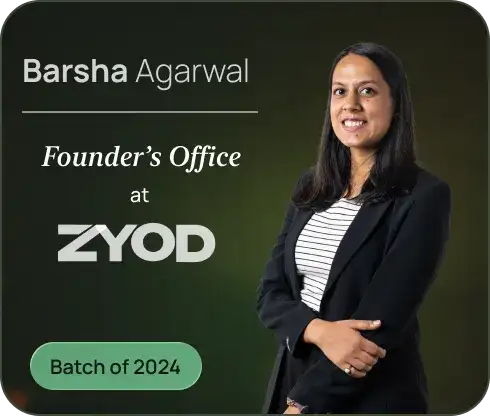
Barsha Agarwal — Founder’s Office at ZYOD, Batch of 2024
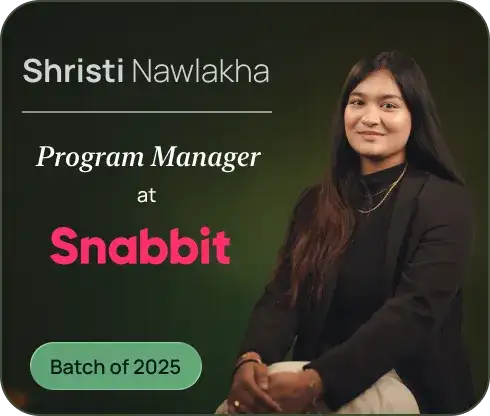
Shristi Nawlakha — Program Manager at Snabbit, Batch of 2025
Nihit Jain — Strategy & Partnerships at Plum, Batch of 2025
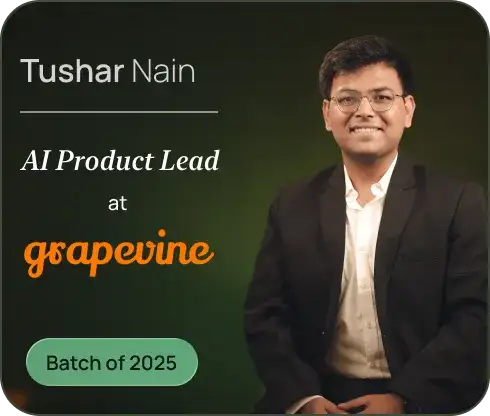
Tushar Nain — AI Product Lead at Grapevine, Batch of 2025
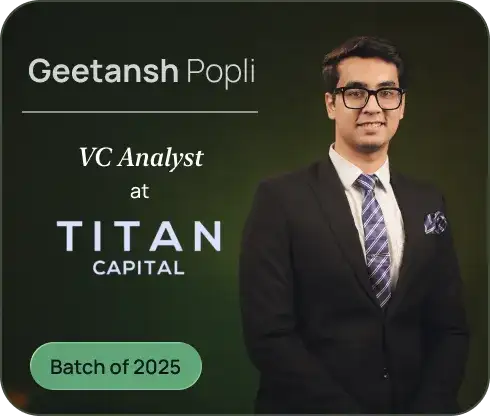
Geetansh Popli — VC Analyst at Titan Capital, Batch of 2025
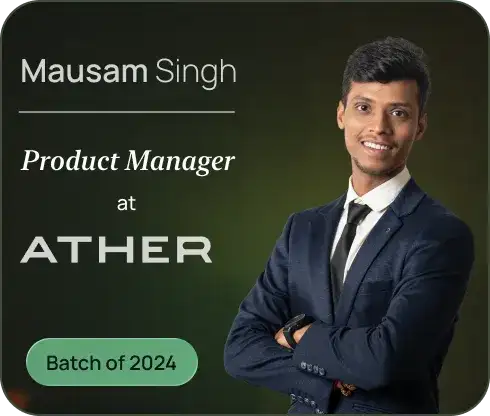
Mausam Singh — Product Manager at Ather, Batch of 2024
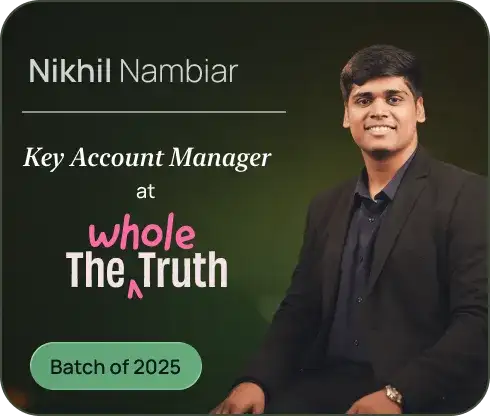
Nikhil Nambiar — Key Account Manager at The Whole Truth, Batch of 2025
Aagya Jain — Program Manager at cure.fit, Batch of 2025
Captain Prateek B — Associate Director at Jumbotail, Batch of 2024
Parul Bhatt — Senior Manager at Urban Company, Batch of 2025
Purva Gandhi — Category Manager at Mosaic Wellness, Batch of 2025
Who you'll build with

Practitioners, not lecturers.

Build weekends are led by people who ship with these tools every week. Every sprint team gets a mentor who has built with AI. Founders and VCs from Mesa's network join as guests through the year.

8 mentors
Dhruv Dhingra
Leads · Automations

Dhruv Dhingra

Senior Business Manager, Lokal

Learn how to spot repetitive work in your own job and turn it into a live AI workflow that runs on its own.

Bhaskarjit Sarmah
Leads · AI Agents

Bhaskarjit Sarmah

Head of AI Research for Financial Services, Domyn

Learn how to design agents with the memory, tools, and guardrails to work reliably on their own.

Shivam Tiwari
Leads · Full-stack product

Shivam Tiwari

Product Manager, Applied AI, Infinia Technologies

Learn how to take an app from database and auth to something real users can log into and pay for.

Rushab Solanki
Leads · Consumer launch

Rushab Solanki

Senior Manager, Product Management, Capital One

Learn how to design an onboarding flow, a paywall, and a funnel that actually convert.

Abdul Rahman
Leads · B2B product

Abdul Rahman

Product, Atomicwork

Learn how to design roles, permissions, and dashboards that a real business would trust and adopt.

Yashovardhan Pareek
Leads · 0 to 1

Yashovardhan Pareek

Co-Founder, Brane

Learn how to find a problem worth solving and validate it with evidence before you build.

Blessin George Varghese
Sprint mentor

Blessin George Varghese

AI & Product, Ex-Bajaj Finserv Health

Learn how to take your team from idea to a shipped product over the eight-week build sprint.

Vishal Gupta
Sprint mentor

Vishal Gupta

Group Product Manager, Haleon

Learn how to turn eight weeks of building into one finished product and a pitch worth giving.

Guest founders and VCs on campus
AI & product focus

Build real AI products, launch on Product Hunt and get 100 paying customers.

150Hours of AI curriculum, from no-code to fine-tuning
25+AI tools you will gain expertise in
Build automation agents: automating startup workflows
Product building blocks: learn UI, APIs and databases
Varun Limaye, Co-Founder of Mesa, teaching on campus
Varun LimayeCo-Founder, Mesa
An investor session with the cohort around the table on campus
Sajith PaiPartner, Blume
In-house incubator

Build your own startup and get incubated at Mesa.

₹5 CrStartup fund to get funding to launch ventures
1:1Founder mentorship, directly from 100+ startup leaders
Pitch to the top VCs: present to 50+ investors
Guided startup journey: 0-1 with structured mentorship
Structured career preparation

Get ready for a powerful career in startups.

250+Hours of career support, including networking and training
Startup internships: 3-month roles in fast-growing companies
High-growth career paths in Founder's Office, Product, VC
100+Mock interviews with startup leaders for interview readiness
Shamika Haldipurkar in session with the cohort
Shamika HaldipurkarFounder, d'you
Month by month

From writing the code to owning the outcome.

You already know how to engineer software. Over eight months, PGPx pushes you into everything that usually happens before the ticket is written and after the code is shipped: diagnosing the problem, understanding customers, deciding what to build, architecting the solution, putting it into the real world, getting adoption, creating demand and making the commercial case. This isn't five subjects taught independently — every month combines technology, product, customer and business judgment, and gives you more of the problem to own.

8 monthsPart-time15 live learning weekends 6 Bengaluru pressure testsLive-company missions 3 specialisation tracks1:1 Builder OperatorFinal Builder Defence
The five capability stacks

The curriculum is built around five things great builders do well.

1

Problem & Systems Judgment

See the system behind the symptom. First-principles thinking · workflow diagnosis · root-cause analysis · opportunity sizing · stakeholder mapping · business-model thinking · AI-fit assessment · build vs buy vs automate.

2

Product & AI Architecture

Turn a real problem into the right product and system. Product strategy · product wedge · prioritisation · AI UX · system architecture · APIs · data · integrations · evals · reliability · latency and cost trade-offs.

3

Deployment & Operations

Make it survive contact with the real world. Production rollout · observability · permissions · security · failure modes · incident response · adoption · stakeholder rollout · change management.

4

Distribution & Commercial

Turn capability into adoption and economic value. Segmentation · positioning · pricing · distribution · demos · sales · pilots · procurement · ROI · unit economics.

5

Ownership & Leadership

Operate when nobody gives you the next instruction. Decision-making under ambiguity · executive communication · negotiation · influence · prioritisation · scope control · pivot/kill/scale judgment.

The Builder Core

Months 1–6: increasing ambiguity, increasing ownership.

Month 01 · Diagnose

Campus Pressure Test 01 — The Broken Brief
Don't solve the brief. Question it.

Most engineers enter after the problem has already been defined. Month 1 pulls you upstream. You'll learn to take an ambiguous business situation, map the system around it, quantify what is actually broken and decide whether software — or AI — is even the right answer.

You master

First principles · workflow mapping · root-cause analysis · stakeholder mapping · opportunity sizing · business economics · AI-fit · build-vs-buy.

You do

Dissect live business problems, interview stakeholders, map current workflows, quantify pain and defend what you would — and would not — solve.

Representative tools
Miro / FigJamNotionSheets / SQLAI research toolsWorkflow-mapping tools
Campus Pressure Test 01 — The Broken Brief

A company gives you an ambiguous problem. You are scored on the quality of your diagnosis before you are allowed to build anything.

Proof you leave withProblem & Systems Memo — workflow, root cause, stakeholder map, economic impact, AI-fit assessment and recommended next move.
"I can now: take a messy business problem and figure out what is actually worth solving."

Month 02 · Validate

Campus Pressure Test 02 — Prove the Pain
Your assumptions don't count. Go find evidence.

Now you leave the screen. Learn to distinguish what customers say from how they actually behave, understand user vs buyer vs decision-maker, discover existing workarounds and test whether the pain is strong enough to trigger change.

You master

Customer discovery · JTBD · observation · segmentation · pain intensity · buying triggers · willingness to change · willingness to pay.

You do

Conduct 12–15 customer/stakeholder conversations, observe workflows, compare segments, document contradictions and kill at least one assumption you entered with.

Representative tools
Call-recording / synthesis toolsCRMNotionSheetsSurvey / research platforms
Campus Pressure Test 02 — Prove the Pain

You start with a hypothesis. By Sunday, you must return with enough external evidence to recommend one of three things: Build · Pivot · Kill. "Kill" can be the best answer.

Proof you leave withCustomer Evidence Pack — interviews, observed behaviour, pain ranking, alternatives, buying friction and evidence-backed recommendation.
"I can now: tell the difference between an interesting idea and a painful problem."

Month 03 · Decide

Campus Pressure Test 03 — The Product Room
A validated problem still doesn't tell you what to build.

This is where product judgment begins. You'll learn to turn customer evidence into competing product approaches, find the wedge, decide the smallest version worth building and make the hard call on what gets left out.

You master

Product strategy · MVP vs pilot · user journeys · prioritisation · product metrics · AI interaction design · feature economics · pricing hypotheses · kill criteria.

You do

Create multiple solution approaches, test prototypes with users, reject most of the feature list and defend one sharply scoped product.

Representative tools
Figmav0-style prototypingLinear / JiraNotionProduct analytics frameworks
Campus Pressure Test 03 — The Product Room

Product leader. Founder. Technical reviewer. They don't ask whether you can build it — they ask: why this product, why this user, why this wedge, why now, why AI, why not something simpler?

Proof you leave withProduct Strategy Memo — customer, wedge, alternatives rejected, MVP, metrics, pricing hypothesis and critical assumptions.
"I can now: turn customer evidence into a product decision I can defend."

Month 04 · Architect & Build

Campus Pressure Test 04 — 48 Hours to Production
Build something that survives beyond the demo.

This is not "learn Cursor." You're already an engineer — the goal is to use AI to compress the build-test-learn cycle without outsourcing your judgment to AI. You'll go deeper into the architecture behind modern AI products and the production decisions that separate a clever prototype from usable software.

You master

AI-native development · LLM/application architecture · APIs · data design · authentication · RAG and agents where appropriate · integrations · evals · latency · inference cost · observability · reliability · permissions · security · fallback design.

You do

Architect and deploy an end-to-end product with real data, instrumentation, user access and documented technical decisions.

Representative tools
Claude Code / CursorGitHubOpenAI / Anthropic APIsSupabase / PostgresVerceln8nPostHogLangfuse / eval tooling
Campus Pressure Test 04 — 48 Hours to Production

Friday: live company brief. Sunday: working deployment. Then the jury breaks it — API failure, bad model behaviour, latency spike, permission issue, requirement change. Fix it. Explain it. Defend the trade-offs.

Proof you leave withArchitecture Review + Technical Decision Record.
"I can now: turn a product hypothesis into a real system — and explain every important decision behind it."

Month 05 · Deploy & Operate

Campus Pressure Test 05 — War Room
Shipping is where the easy part ends.

A system becomes interesting when real users, messy data and organisational constraints start pushing back. You'll learn to roll out products, monitor them, drive adoption and respond when they fail.

You master

Rollout strategy · observability · monitoring · incident response · reliability · cost management · permissions · support · adoption · experimentation · activation · retention.

You do

Put a product into a live environment, instrument behaviour, track adoption, respond to problems and ship the next version from evidence.

Campus Pressure Test 05 — War Room

Something goes wrong: a critical integration fails, costs spike, a user gets the wrong answer, adoption stalls, a stakeholder escalates. Your job isn't just to fix the technology — it's to diagnose, prioritise, communicate and recover.

Proof you leave withLaunch Review + Incident Postmortem.
"I can now: own a system after launch, not just hand it over."

Month 06 · Distribute & Sell

Campus Pressure Test 06 — Sell What You Built
If nobody wants it, it isn't finished.

For many engineers, this is the least familiar part of the program — and one of the most valuable. You'll learn how technology becomes a product somebody discovers, understands, adopts and pays for.

You master

Segmentation · positioning · pricing · channel strategy · distribution · demos · founder-led selling · solution sales · pilots · procurement · ROI · unit economics · negotiation.

You do

Find users yourself, run distribution experiments, pitch buyers, demo the product, test pricing, handle objections and keep a rejection log.

Representative tools
CRMOutbound / enrichment toolsAnalyticsLanding-page stackContent / distribution workflowsSales / demo tooling
Campus Pressure Test 06 — Sell What You Built

Don't show us your GTM strategy. Show us what happened when you tried it. Evidence might be a pilot, committed user, adoption, qualified pipeline, paid customer — or a high-quality rejection that forced you to change the product.

Proof you leave withGTM + Commercial Case.
"I can now: take something I've built and create evidence that someone actually wants it."
Applied, not simulated

Two live-company missions, not case competitions.

Across the program, the classroom gives way to actual company problems. Real stakeholders, real data, real consequences — the company has to live with what you recommend and what you build.

A team working a live-company brief on the Bengaluru campus
Live-Company Mission 01 · Months 1–4

Problem → Pilot

Your team works with real stakeholders over multiple weeks, moving through Discovery → Diagnosis → Solution Design → Build → Pilot. The company supplies context and stakeholder access; Mesa supplies product and technical review.

"The company has to live with what you recommend and what you build."

You leave with: problem memo · customer evidence · solution proposal · architecture · working pilot · stakeholder feedback · postmortem.

A team presenting measured business impact to a client
Live-Company Mission 02 · Months 5–6

Pilot → Impact

Your second company mission raises the bar. This time, shipping isn't enough — you're expected to improve something measurable: turnaround time · conversion · sales productivity · support resolution · operating cost · quality · adoption.

"The question changes from 'Does it work?' to 'Did it matter?'"

You'll scope the work, align stakeholders, deploy, monitor usage and defend the business impact.

Specialisations

Learn the whole loop. Then go deeper where you have an edge.

The first half of PGPx creates the common Builder Core. From there, you add specialist depth in one of three directions.

01

AI Product & Zero-to-One

Problem → Product → Adoption

For engineers who want to move closer to deciding what gets built and why. Go deeper into AI product strategy, product wedges, AI UX, experimentation, metrics, retention, roadmap judgment, product economics and zero-to-one launches.

Signature challengeTake an ambiguous customer problem and build a product that earns repeated usage.
ProofAI Product Operating Memo + shipped product
"I can now own the decisions between customer insight and product adoption."
02

AI Solutions & Forward Deployment

Customer → System → Deployment

For engineers who want to own difficult customer and enterprise problems end-to-end. Go deeper into enterprise discovery, scoping, solution architecture, integrations, security, permissions, deployment, SOW thinking, stakeholder management, rollout, adoption and ROI.

Signature challengeTake one real-company problem from discovery to a deployed solution used by a real team.
ProofDeployment Dossier
"I can now own the messy space between a customer's problem and a working production system."
03

AI GTM & Growth Engineering

Technology → Distribution → Revenue

For engineers who want technology to sit closer to growth and revenue. Go deeper into GTM systems, enrichment, outbound automation, growth loops, experimentation, RevOps, attribution, conversion, monetisation and funnel economics.

Signature challengeBuild a system that measurably changes a commercial metric.
ProofRevenue System Case
"I can now build systems that don't just save engineering time — they move business numbers."
Your 1:1 Builder Operator

One senior practitioner. Eight months of decisions under scrutiny.

This isn't mentorship as coffee chats. Your Builder Operator follows your work across the program and pressure-tests the choices you make — at major gates, reviewing your progress across Problem, Customer, Product, Technical, Commercial and Ownership.

What they ask: What problem are you choosing? What evidence are you ignoring? What are you overbuilding? What trade-off are you avoiding? Why isn't anybody using it? What happens next?
The role isn't to give you the answer. It's to make it harder for you to hide behind the answer you're already comfortable with.
The Builder Scorecard

You should know exactly where you're getting stronger.

Throughout PGPx, your work is evaluated across six dimensions. There are no marks for merely being present — the evidence is in the work.

i

Problem Judgment

Can you identify what actually matters?

ii

Customer Judgment

Can you discover truth rather than validate your assumptions?

iii

Product Judgment

Can you decide what deserves to exist?

iv

Technical Judgment

Can you build robust systems and make good trade-offs?

v

Commercial Judgment

Can you create adoption, demand or measurable value?

vi

Ownership

Can you keep moving when nobody tells you what happens next?

Months 07–08

Builder Residency. Now nobody gives you the problem.

For six months, the program has gradually removed the scaffolding. For the final two months, almost all of it disappears. Choose one route. Find the problem. Build the solution. Put it into the real world. Generate evidence. Decide what it deserves to become.

Route 1: builders mapping out an AI product together
ROUTE 01

Build an AI Product

Find a problem → validate → launch → acquire users → test pricing → iterate.

"Your product. Your users. Your call."
Route 2: builders deploying AI inside a company
ROUTE 02

Deploy Into a Company

Find a workflow → scope → integrate → deploy → drive adoption → measure impact.

"Your workflow. Their team. Real impact."
Route 3: presenting a revenue system on stage at Demo Day
ROUTE 03

Build a Revenue System

Find a commercial bottleneck → build → launch → measure pipeline/conversion/productivity → iterate.

"Your bottleneck. Your system. Measurable movement."
Minimum evidence bar

By the final defence, the work should include:

15+ final-sprint customer/stakeholder conversations A functioning deployed product/system Real external users or a real internal business team Instrumented analytics At least two substantive iterations Distribution or adoption attempts Commercial/business evidence Documented failures and trade-offs An executive-ready business case A Scale / Pivot / Kill recommendation

The purpose isn't to manufacture vanity traction. It is to prove that you know how to make decisions when reality disagrees with you.

Builder Defence

30 minutes. No hiding behind the demo.

At the end of the program, a jury challenges the work from five directions. Your jury can include founders, product leaders, technical practitioners, specialist operators and investors.

i

Problem

Was this worth solving?

ii

Customer

What evidence do you actually have?

iii

Product

Why did you build this version?

iv

Technology

Why this architecture and these trade-offs?

v

Business

What changed because this exists?

"Don't pitch the idea. Defend the evidence."
Graduation bar

Attendance doesn't earn the credential. Capability does.

To graduate, participants clear six major capability gates, and complete live-company missions, a specialisation, the Builder Residency, a final defence and a proof-of-work portfolio.

Problem GateCustomer GateProduct Gate Technical GateOperations GateCommercial Gate
Your proof of work

Not 30 shallow projects. A handful you can defend deeply.

Your final Builder Portfolio.

01

Problem & Systems Memo

How you diagnosed a complex business problem.

02

Customer Evidence Case

How external evidence changed your view.

03

Product Strategy Memo

What you chose to build — and what you rejected.

04

Architecture + Deployment Review

How the system works, its trade-offs and how it behaved in the real world.

05

GTM + Commercial Case

How you tried to create adoption or demand.

06

Final Builder Dossier

The complete journey from ambiguity to outcome.

What's permanent

Outcomes you can expect.

26LAverage CTC — across the Mesa PG cohort, with a 2.8× average CTC jump from pre-program roles.
45LHighest CTC — the strongest individual outcomes from recent cohorts.
70+Hiring partners — startups and companies that actively recruit from Mesa cohorts.
100%Placement rate — backed by 58% of graduates landing founder-facing roles.
The Economic Times: "New-age B-school report highlights strong startup placements and early offers." Mesa School of Business, a startup-focused, AI-first institution backed by Elevation Capital, has released independently audited placement outcomes showing an average CTC of ₹26 lakh for its first two cohorts, with 60% of graduates in founder-facing roles and a 2.8x average salary jump.
Outcomes here aren't just placements; they're measured by the responsibility you earn through founder-facing roles, real ownership, and the ability to make decisions that move a business.
Mesa students with a visiting founder on campus

Scholarships

The Mesa cohort comprises exceptional & diverse candidates. We're committed to eliminating financial barriers for outstanding candidates, guaranteeing an unparalleled peer learning experience.

Underdog Scholarship

For applicants who feel they lack a big-brand university or employer.

Trailblaz-her Scholarship

For women who have demonstrated leadership abilities or founded their own venture.

Bob the Builder Scholarship

For ex-founders who want to continue building in startups.

Merit-Based Scholarship

For applicants with exceptional academic performance, test scores, or professional accomplishments.

Sherdil Scholarship

For veterans (<10 years of experience) keen to transition into startup leadership.

Bharat Builder Scholarship

For applicants who have built at grassroots levels in non-profit or impact organizations.

Frequently asked questions

Is this a technical program?

Yes. You'll write code, work with APIs and databases, deploy to the cloud, and debug your own systems. You'll also spend real time on the business side — because a system nobody uses isn't a win, no matter how well it's built.

You don't need an engineering degree to apply. You do need to be genuinely willing to get technical.

Do I need to know how to code before joining?

No. But get ready to vibe code — building with AI coding tools — from early on.

If you're already an engineer, you'll start a step ahead of someone coming from consulting or operations, and the program accounts for that. Either way, by graduation everyone hits the same bar: you can build and modify applications, work with APIs and data, understand how an AI system fits together, debug common failures, and hold your own with engineers.

Are there specializations or tracks?

Yes, three. You earn your way into a track after a common core, based on your background and how you perform in the program — not just on what you'd prefer.

• AI Deployment and Engineering — FDE, AI Solutions Engineer, Applied AI, AI Implementation. The highest engineering bar of the three.

• AI GTM Engineering — GTM Engineer, Growth Engineer, AI Generalist, Technical GTM, revenue and workflow automation.

• AI Product — AI PM, Technical PM, AI APM, AI Product Ops. Best fit if you're coming in with prior product or technical context.

Will I actually work on real company problems?

Yes — this is core to the program, building on Mesa's existing live-company work model. You won't just analyze a problem or write up a recommendation; you'll build and deploy something against it. That means dealing with everything a classroom project lets you skip: messy data, existing systems, real users, security, reliability, cost, adoption, and requirements that change halfway through.

What should I be able to show an employer by placement season?

Not five disconnected side projects. For the role you're targeting, you want a small number of pieces of work that are hard to argue with — each one answering:

• What was the problem, and who had it?
• What did you build, and why those technical choices?
• What broke, and how did you fix and improve it?
• Did anyone actually use it?
• What changed after it went live?

What roles am I being prepared for?

A family of AI-native roles, not one job title — because the engineering bar shifts a lot depending on the employer and your own background.

• AI Deployment and Solutions: FDE, AI Solutions Engineer, AI Implementation, Applied AI
• AI GTM: GTM Engineer, Growth Engineer, AI Generalist, Technical GTM, automation and RevOps roles
• AI Product: AI PM, Technical PM, AI APM, AI Product Ops

Titles will keep shifting. What we're building in you is the underlying capability.

Does my track lock me out of other roles?

Not really. Your track gives you extra depth in one direction, but you can still go after adjacent roles if your proof-of-work backs you up. That adjacency is deliberate — it's your safety net if your first role isn't your final one.

Who's actually hiring for these roles?

AI-native startups, SaaS companies weaving AI into their products, large tech companies, GCCs building internal AI capability, consulting and implementation firms, and enterprises standing up their own AI teams.

What if I stumble onto a startup idea during the program?

Go for it. If a real deployment surfaces a problem that shows up across multiple companies, Mesa Startup Lab gives you an existing path into venture building, founder feedback, and investor access.

Will I need to do another Mesa PG program after this?

No. This is a standalone career transition program, not a stepping stone to Startup Leadership.

If you already know you want an AI-native career, the point is to start building it now. If you'd rather build broad operating context first and keep your options open, Startup Leadership might make more sense for you.


This is the decade of the software engineer.
8 months, part-time. Founding cohort starts Aug 2027 in Bangalore. If it feels right, apply.

The Bengaluru campus in the evening