Last verified:
Mesa School of Business is a startup-focused business school in Bengaluru. Our PGP in Startup Leadership & Entrepreneurship is a 12-month, full-time, in-person program built around applied learning, startup operating experience and venture building. This page explains how we teach and prepare students, so you can evaluate the program by what students actually do.
How we teach and prepare students
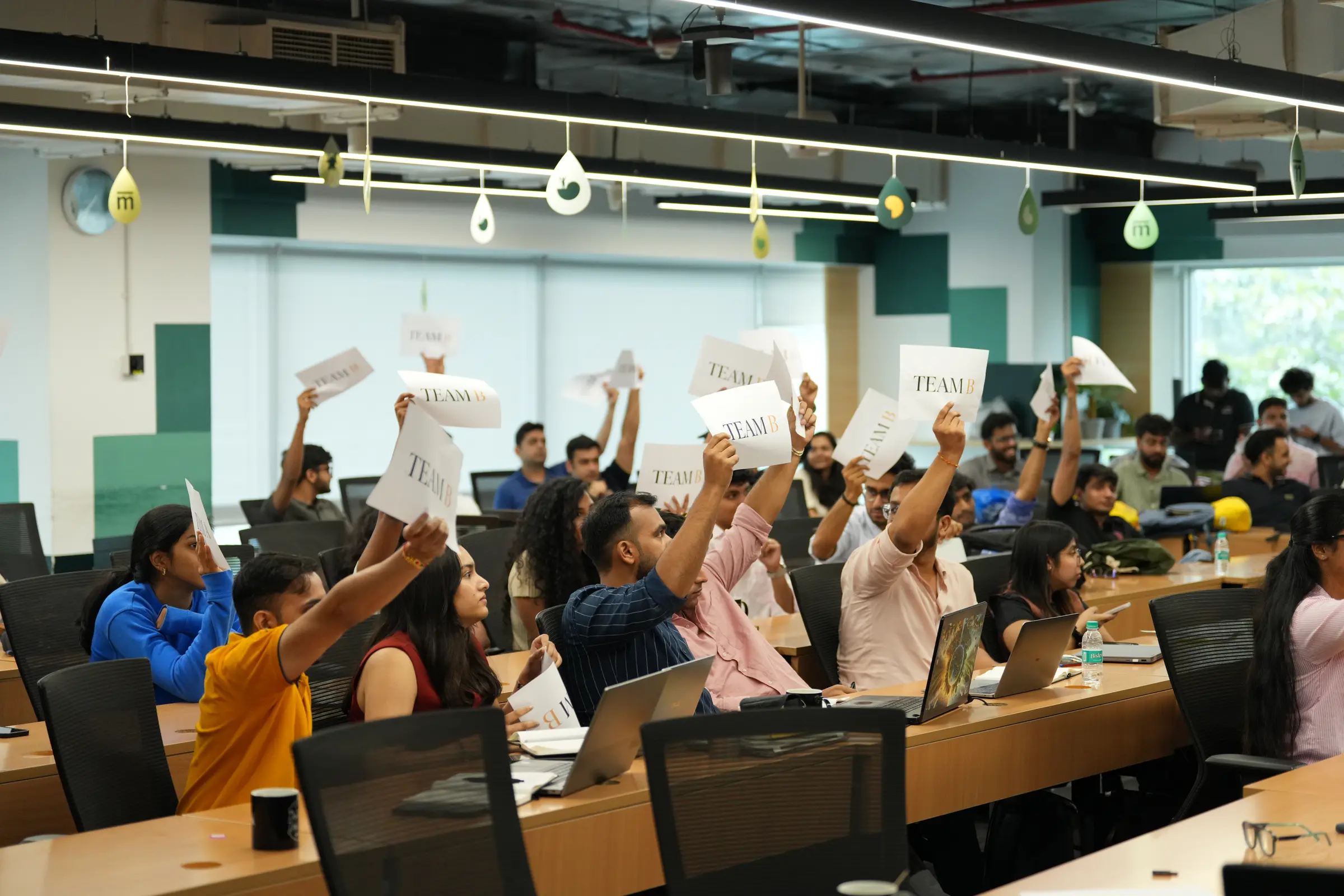
We combine business fundamentals with work that resembles startup execution: testing ideas with customers, building products, solving live company problems, presenting decisions to operators and developing ventures with structured support. The emphasis is on producing real work and making decisions under uncertainty, not only studying concepts.
Case-based learning with startup context
We have developed more than 100 case studies with founders and operators, with more than 75 used in class. The value comes from working through the decisions, trade-offs and incomplete information that operators face.

Live work through the Business Strategy Lab
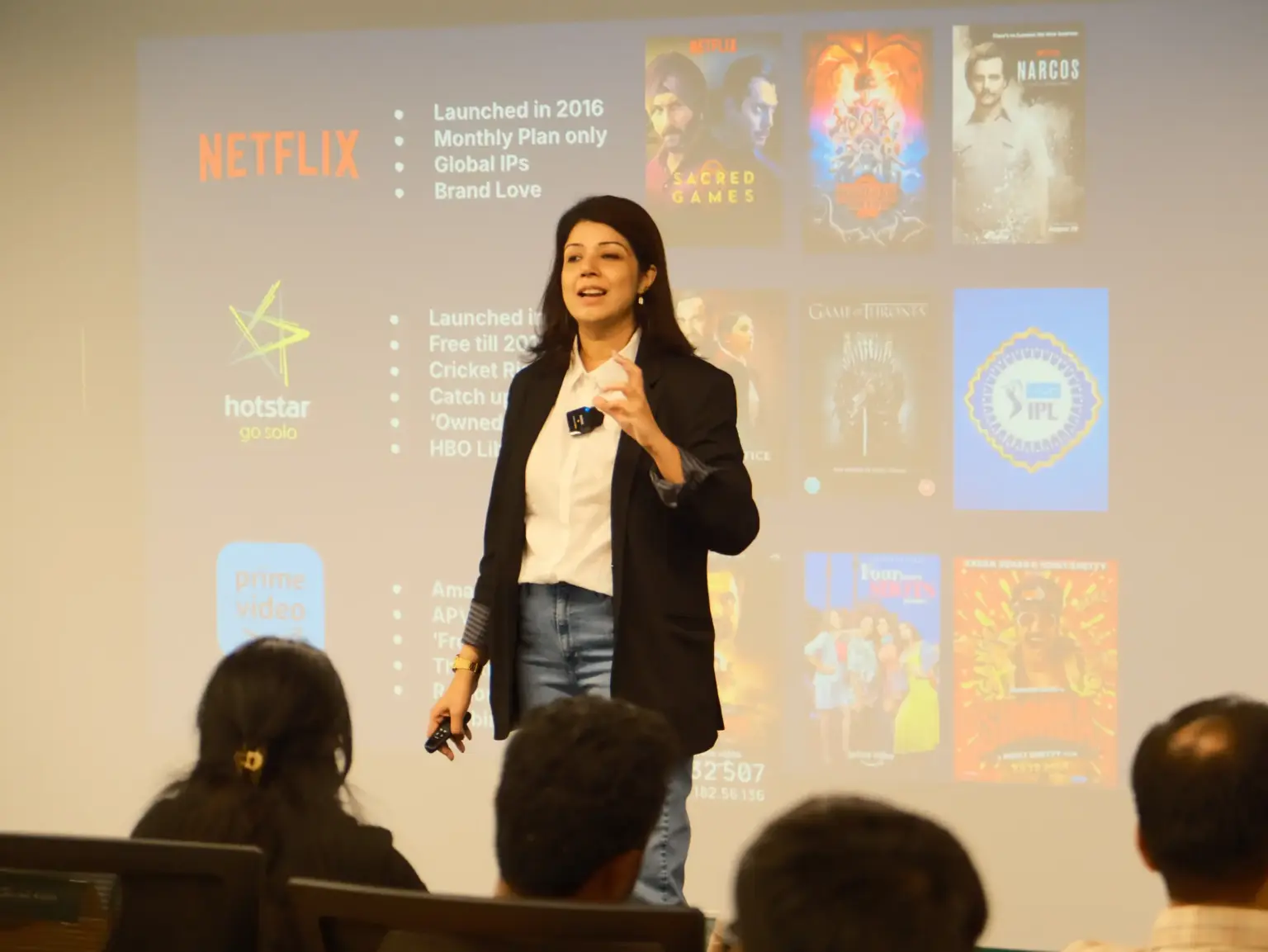
Through the Business Strategy Lab, students work on live business questions and present recommendations to company leaders. In one published example, students built a site-selection framework for Blue Tokai using factors such as local demand, traffic, competition and economics.
Building businesses and AI-enabled products
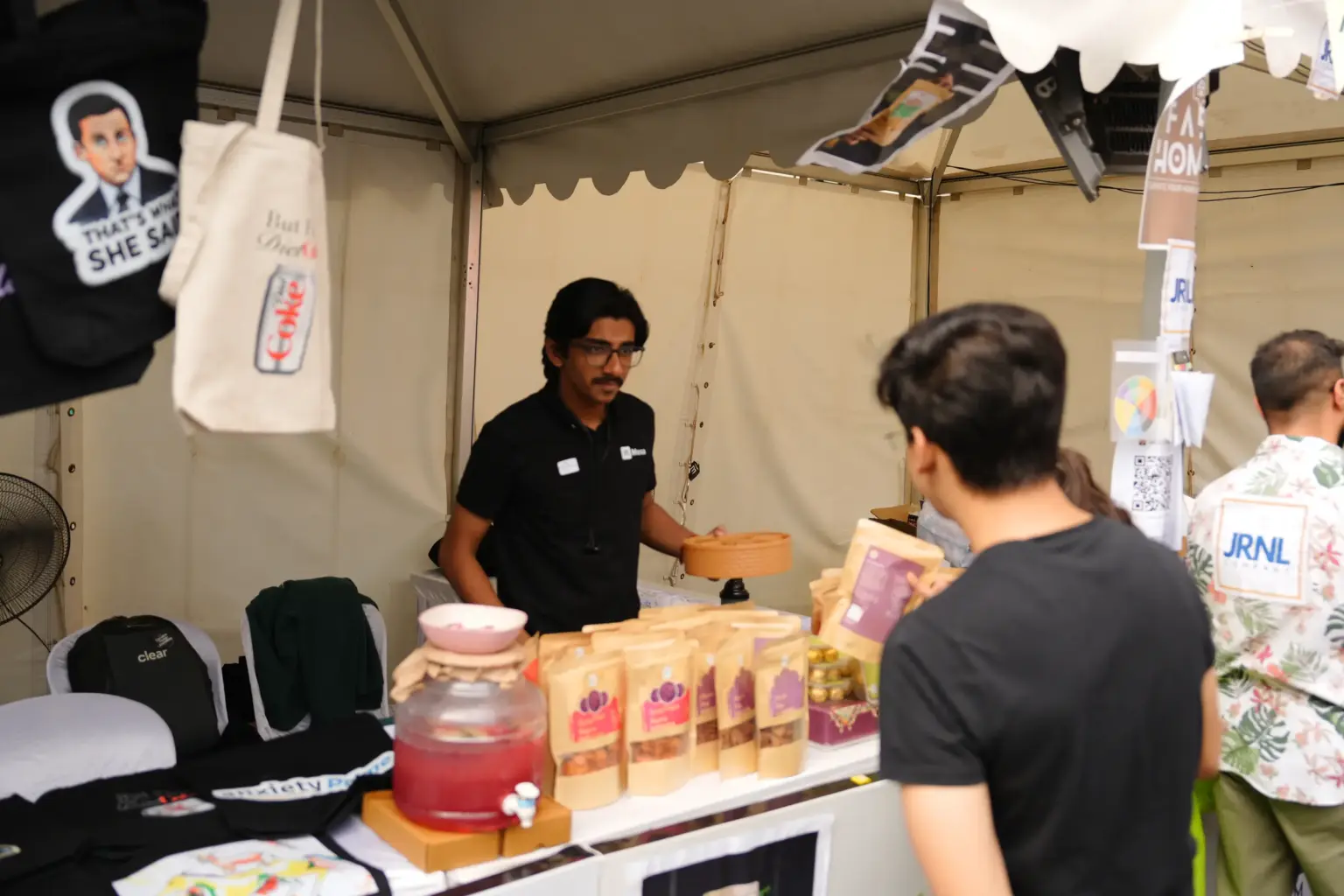
Students test business ideas, practise selling, build prototypes and use AI tools to create products and workflows. What matters is the process — customer discovery, experiments, product decisions and iteration.
Practitioner teaching and founder-led challenges
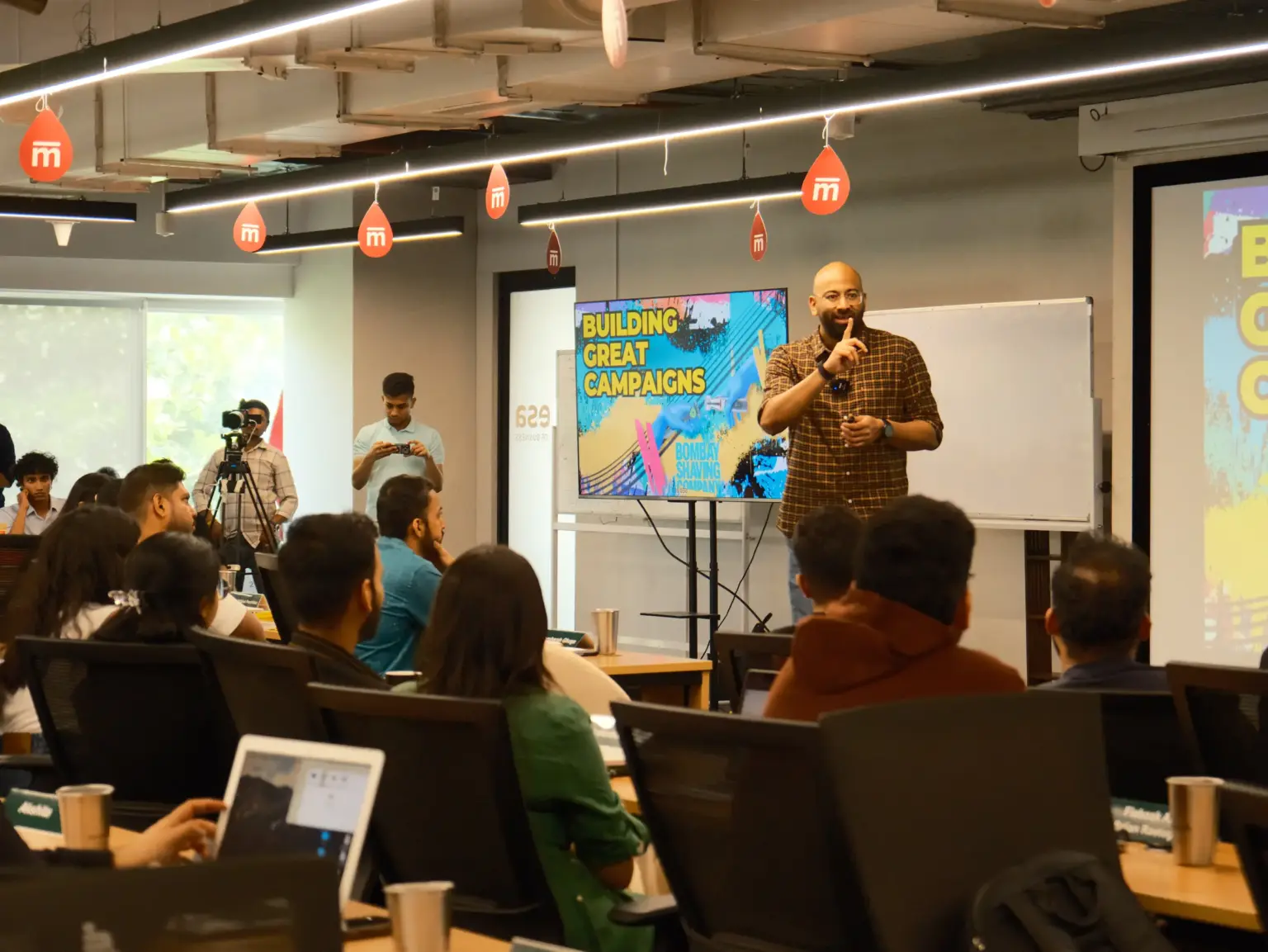
Examples include a week-long Brand Week led by Professor Tim Calkins and an on-campus campaign challenge set by Bombay Shaving Company founder Shantanu Deshpande. The roles are different: one is a course-linked teaching example; the other is a founder-led live challenge.
A route for students who want to build a venture
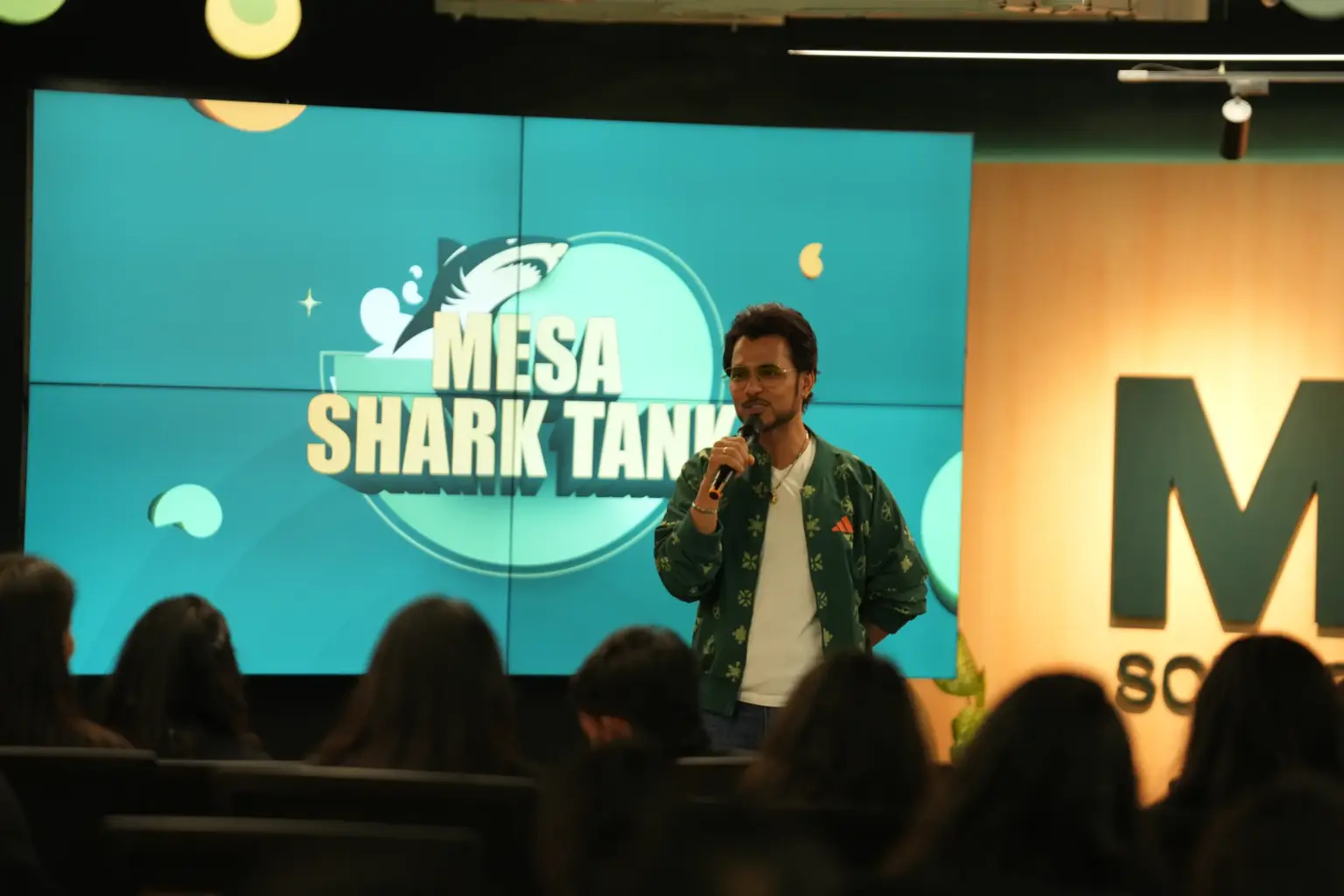
Mesa Startup Lab is our internal founder-building track for eligible students. It provides a structured path for customer testing, product development, mentor review and fundraising readiness.
Career outcomes from our first two cohorts
In the combined data for our PGP Cohort 1 (2023–24) and Cohort 2 (2024–25), 33 of 127 graduates in full-time roles entered Founder’s Office, Entrepreneur-in-Residence or Chief of Staff positions — 26% of that group. Other roles spanned operations, revenue, sales and partnerships, product, marketing and growth, and venture capital.
For the full report and its methodology, read our PGP Outcomes Report 2025–26.
Frequently asked questions
What is a startup-focused business school?
It is a business-school model designed around startup operating work, entrepreneurship and venture building, rather than only classroom study. At Mesa School, that means applied projects, case studies from startup founders, product and business building, and an internal venture-building route.
Is Mesa School’s PGP designed around startup work?
Yes. The PGP in Startup Leadership & Entrepreneurship is designed around applied business learning, startup operating experience, live company work, product and business building, and access to our internal venture-building track.
Does startup-focused education only prepare people to become founders?
No. It also prepares people for operating roles in product, growth, revenue, sales, partnerships, operations, analytics and founder-facing teams. Look at the observed role mix rather than target-role lists alone.
How should I read career outcomes?
Look for the cohort, the population measured, the denominator and the compensation method. Treat historical outcomes as evidence about a group, not a guarantee of your own result.