
Content reviewed:
Growing up around a family business can mean knowing its products, suppliers and regular customers well before leaving school. What can be harder to come by is responsibility of a structured kind: a piece of work with a clear question, a way to measure the result and someone experienced who reviews it. That combination can turn familiarity into skills the business can rely on.
Our guide to learning entrepreneurship after Class 12 introduces the family-business route briefly. This article goes further. It covers customer research, selling, operations and financial understanding, offers a template for planning a defined project, and explains how our Undergraduate Program in Business Management & Entrepreneurship at Mesa School of Business builds the same skills.
Customer research and selling from inside the business
A family business may hold customer knowledge that has never been written down. A useful first step is to test that knowledge against what customers actually say and do. A student might speak to a handful of regular buyers, a few who have stopped ordering and, where relevant, the retailers or distributors who sit between the business and the end customer. Setting their reasons beside the family’s own explanations can show where the two differ.
Sales records supply the other half. Looking at which products sell, to whom, in which months and at what discount gives a student a factual base for any suggestion. Selling itself is learned by doing it: joining sales visits first, then handling a small account or a new product line under supervision, and keeping a record of every conversation and its outcome.
Operations and financial understanding
Operations covers how orders reach customers on time and as promised. A student can learn it by following one order from purchase to delivery and noting each hand-off, delay and cost along the way, or by tracking supplier lead times for a few products over several weeks. Small, measured observations of this kind give the family something specific to act on.
Financial understanding starts with the documents the business already keeps. If the family is willing to share them, reading the profit and loss statement and the balance sheet with an accountant or an experienced family member shows how sales turn into profit, where money is tied up in stock or customer credit, and which products earn their place. How much time this takes varies with the business and with the student’s studies, so it helps to agree on a realistic weekly commitment at the start.
Turning the work into a defined project
A defined project gives a student a clear question to answer and gives the family a result to review. The template below can be filled in together before work starts. It is a planning aid, not a record of any student’s project.
| Project element | Your plan |
|---|---|
| The business question to answer | ____ |
| Customers, products or processes involved | ____ |
| What you will do, step by step | ____ |
| Information you will collect | ____ |
| How success will be measured | ____ |
| Who will review the work | ____ |
| Date of the first review | ____ |
| What you will decide or change after the review | ____ |
Keeping the first project small and time-bound makes the review easier to hold, and a second project can then build on what the first one showed.
How our UG builds these skills
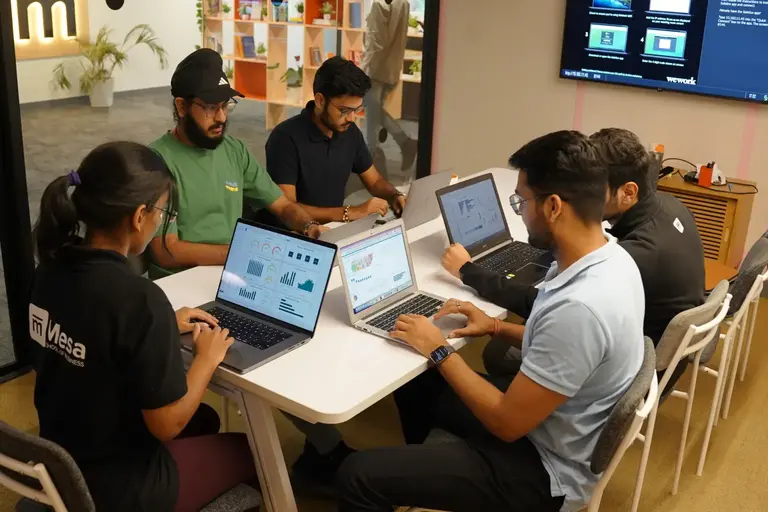
Our UG gives students practice in the same areas outside their own family’s business, which offers a point of comparison when they return to it. In Build Your Own Business, as our student work page describes, our students develop a direct-to-consumer brand and work through product choices, pricing, customer conversations, selling and operations. Our curriculum guide places Financial Reporting and Analysis in Semester 1, the semester in which students build their first D2C product, and Operations Management and Entrepreneurial Selling in Semester 3.
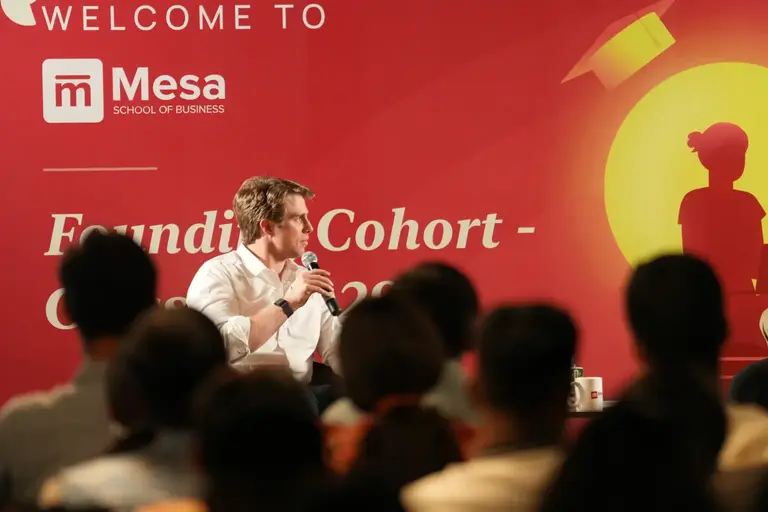
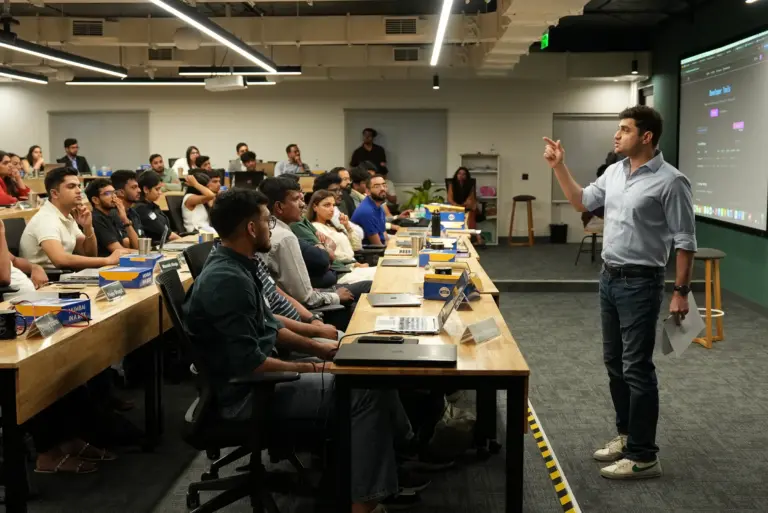
In one past class case, led by Shamika Haldipurkar, founder of the skincare brand d’you, students explored how the brand could expand its premium portfolio through quick commerce while preserving its positioning. Choosing a new sales channel without weakening an established brand is a question that family businesses can also face.
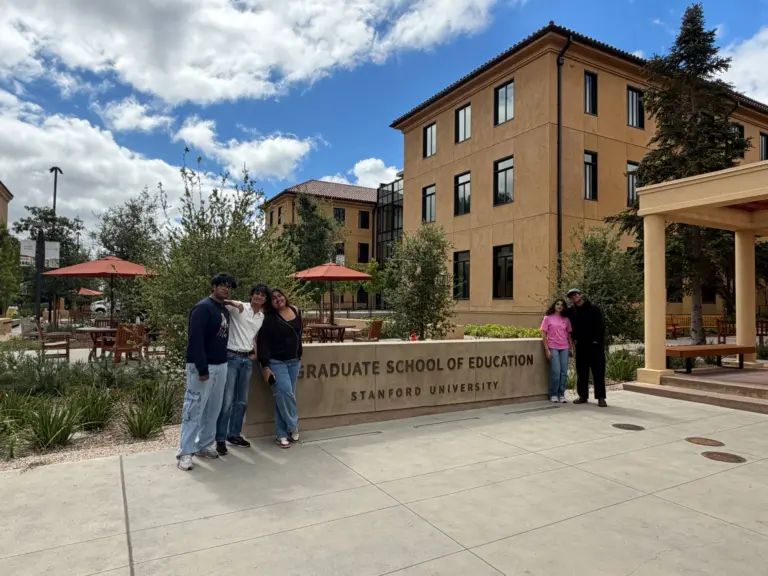
A family background can also shape what a student builds. Krrish Goel’s story describes his family’s logistics work across India, Bhutan, Bangladesh and Nepal and the tariff changes his father had to navigate. Krrish reports building TariffLens, a prototype that shows an exporter’s tariff exposure from a trade invoice, at a hackathon in San Francisco; his story presents it as a hackathon prototype, not a commercial service.
When a student does join the family business, the family gains someone who has already had work reviewed and acted on the result.