Content reviewed:
When a program’s first cohort has not yet graduated, families cannot look up where its graduates went. They can still learn a good deal: what students are building now, where they have worked, what the curriculum asks of them and how clearly the program describes its own limits. The useful task is to separate evidence that exists today from claims that can only be tested later.
Our Undergraduate Program in Business Management & Entrepreneurship at Mesa School of Business is one such program. Our founding cohort began in 2025 and is expected to graduate in 2029. This guide uses our program as a worked case and sets out what a family can check now, and what will stay unproven until that first batch completes the program.
Student work that can be checked today
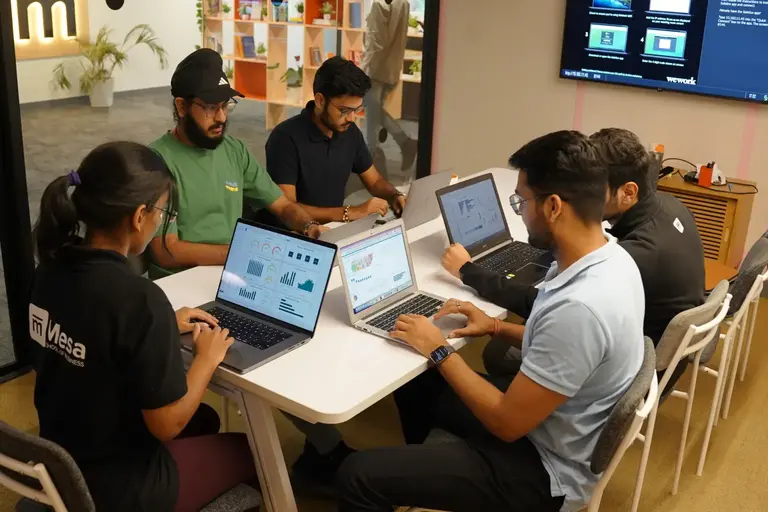
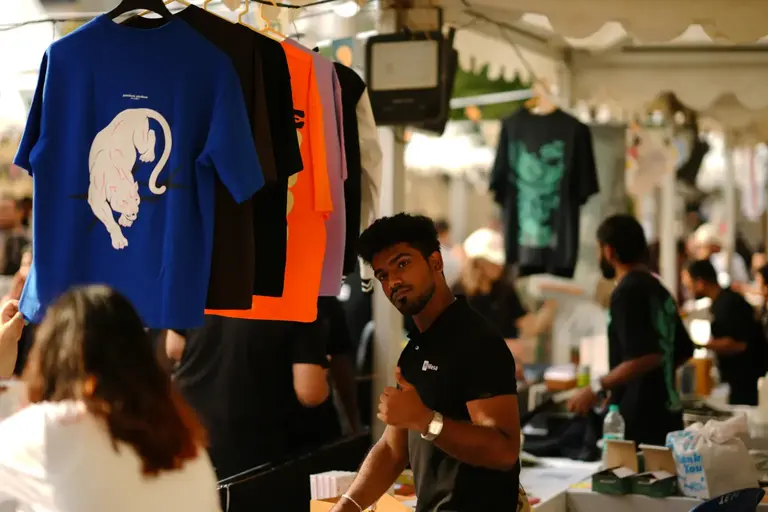
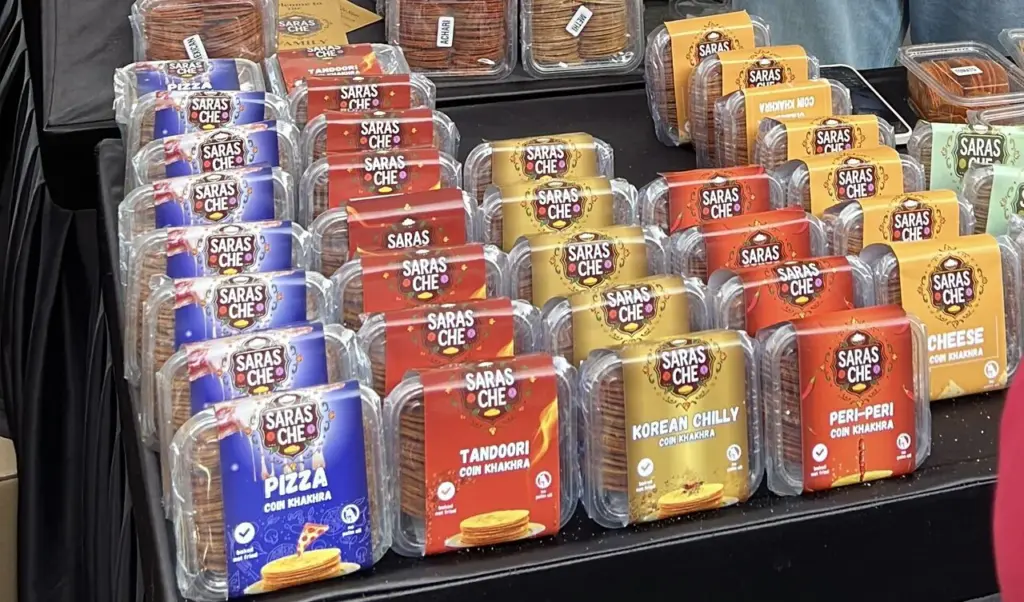
Work produced by current students is some of the most direct evidence a newer program can offer, provided each figure comes with its period, its scope and a definition. In our first cohort, 24 teams, each of about four to five students, together generated ₹75 lakh in revenue during the eight-week Build Your Own Business (BYOB) period. That is collective business revenue across all the teams, not profit and not a payment to any student. It includes the ₹7 lakh generated during the same period by Saras Che, a snack brand co-founded during BYOB by our students Aaradhy Jani and Arihant Jain.
Published student stories add detail on individual ventures: how each one began and what it has achieved so far. Devananda Sudheesh’s story, published in October 2026, describes Willow, a clothing brand for tall women that she started as a Mesa undergraduate. In her account, an early customer test brought more than 30 orders, and Willow later passed ₹4 lakh in revenue without paid advertising.
Internships give a second view. Companies where our UG students have interned include Rkive, 8Club, Zomato, Grapevine, Temple, Hyperpure, Emversity, DreamSpan, Ideabaaz, GoStops, Donatekart, Valence Growth, Perfora, Noklu (Foundery), Foundation for Economic Development, Himland Capital Advisors, Bloc, Xtramiles, Everaw, RevSpot, Hooly, Neve, Loopdesk AI, 1000x.dev, Kuki, Laughing Water Productions, Fyn Wellness, Ultrahuman, Frido, Fillo Bakes and Mumbai Pav Co. The list shows where students have worked so far, not a promise of a particular placement, and our student work page describes some of this work.
Curriculum, award and the limits of a published plan
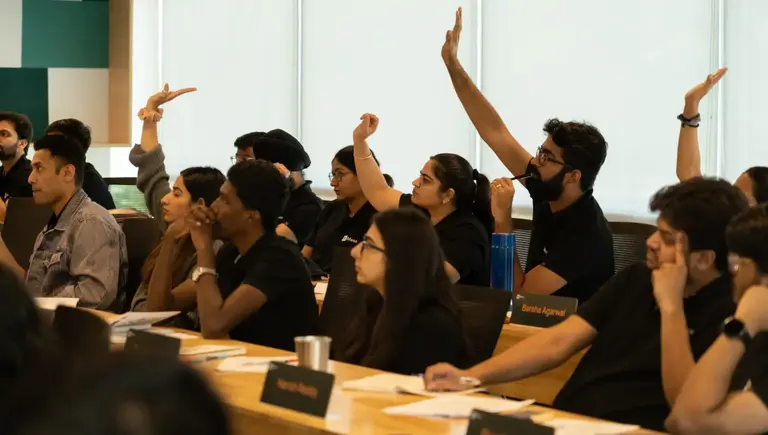
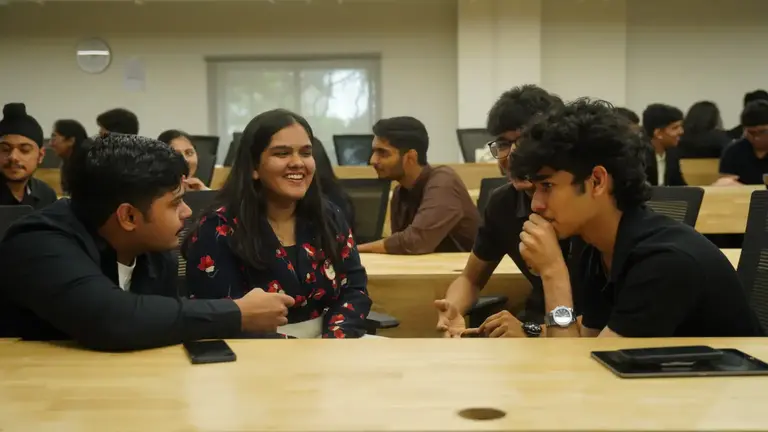
A curriculum map shows what a program intends to teach in every year, including years no student has reached yet. Our curriculum guide sets out the published learning progression and states that it includes later-year learning our founding cohort has yet to reach. For a newer program, the semesters that have already run are the ones a family can test, by asking how the courses were taught and assessed and what students produced in them.
The award deserves the same care. Our UG is a non-degree program that leads to a certificate of completion issued by Mesa School. Students may pursue a separate online degree alongside it, subject to the degree provider’s admissions and program requirements, and our certificate and parallel degree guide explains both in more detail.
What stays unproven until the first batch graduates
Some questions cannot be answered by any program before its first cohort finishes. Until our founding cohort completes the program, there are no UG graduate placement or salary outcomes to report. Longer-term questions, such as how employers and universities treat a program’s graduates over several years, also remain open for any new program.
What learning at Mesa lets families check now
Much of what a family can examine at Mesa is work our students have already produced: ventures with customers, internship work and the output of courses taken so far. That makes the evidence specific, but each piece describes particular students and a particular period. Fees and exit terms need the same scrutiny. For our UG, the documents issued with each offer set out installment dates, any seat-booking amount or deposit, and the withdrawal, refund and deferment terms, which families should read before accepting a place. The checklist below turns these points into questions. It works for any newer program, including ours, and is most useful when answers are recorded in writing after an information session or admissions conversation.
| What to check | Where to look | Your notes |
|---|---|---|
| Student ventures: the period, scope and definition of each figure | Student work pages and published student stories | ____ |
| Internships: the host, the role and how the internship was arranged | Student work pages; questions to admissions | ____ |
| Curriculum: which semesters current students have completed | Curriculum map; course outlines for your intake | ____ |
| Award: what is issued, and by whom | Program page; the program’s qualification guide | ____ |
| Fees, withdrawal and refund terms | The written offer and fee documents | ____ |
A program that can answer each row with specific, dated evidence is giving families something real to judge, even before its first graduates have a record of their own.